
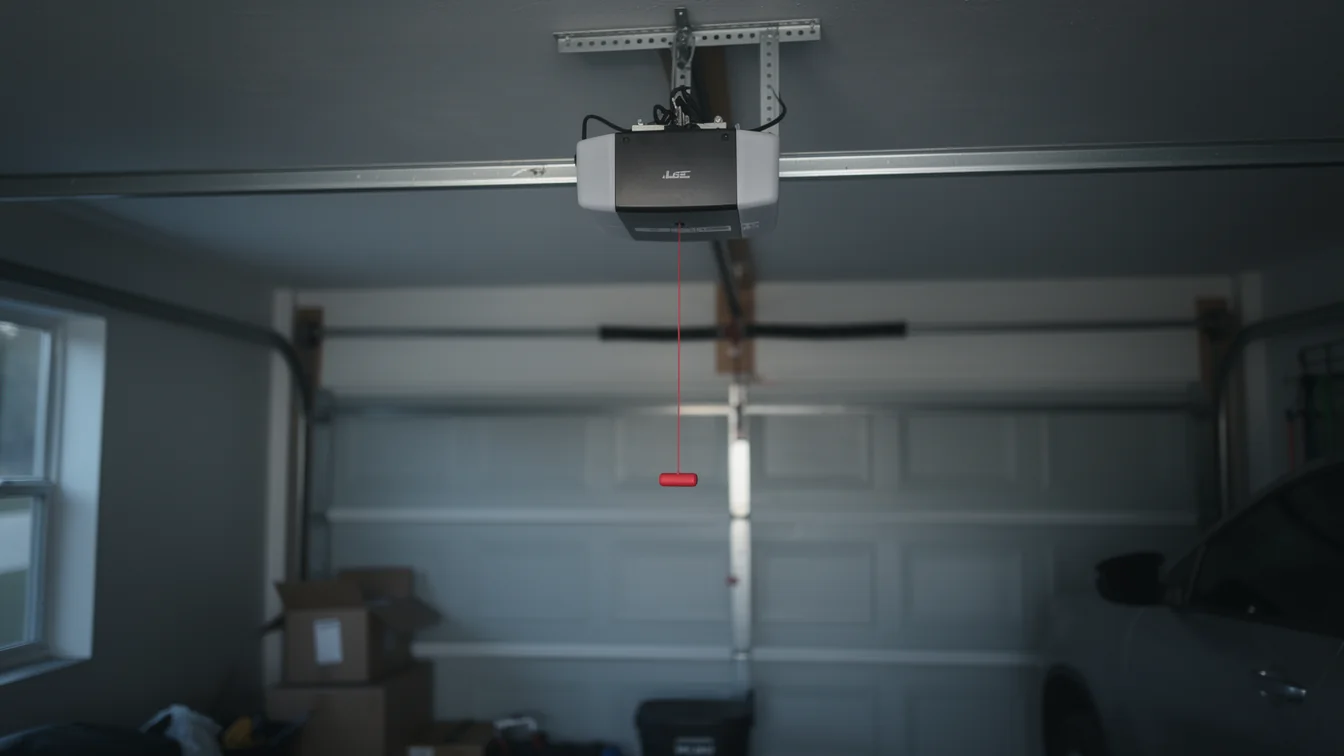
 Openers and Power Cuts in East Point Homes
Why East Point's 1960s-70s housing stock and cold-moderate winters hit garage door openers hard during power cuts, and what to check before you call anyone.
BlogEast Point, GA · 5 min read
When the Cold Snaps and Your Spring Lets Go
East Point homes built mostly in the 1960s and 70s see torsion springs fail when cold snaps hit steel hardened by decades of Georgia humidity and heat.
Local detail
Checking It Yourself
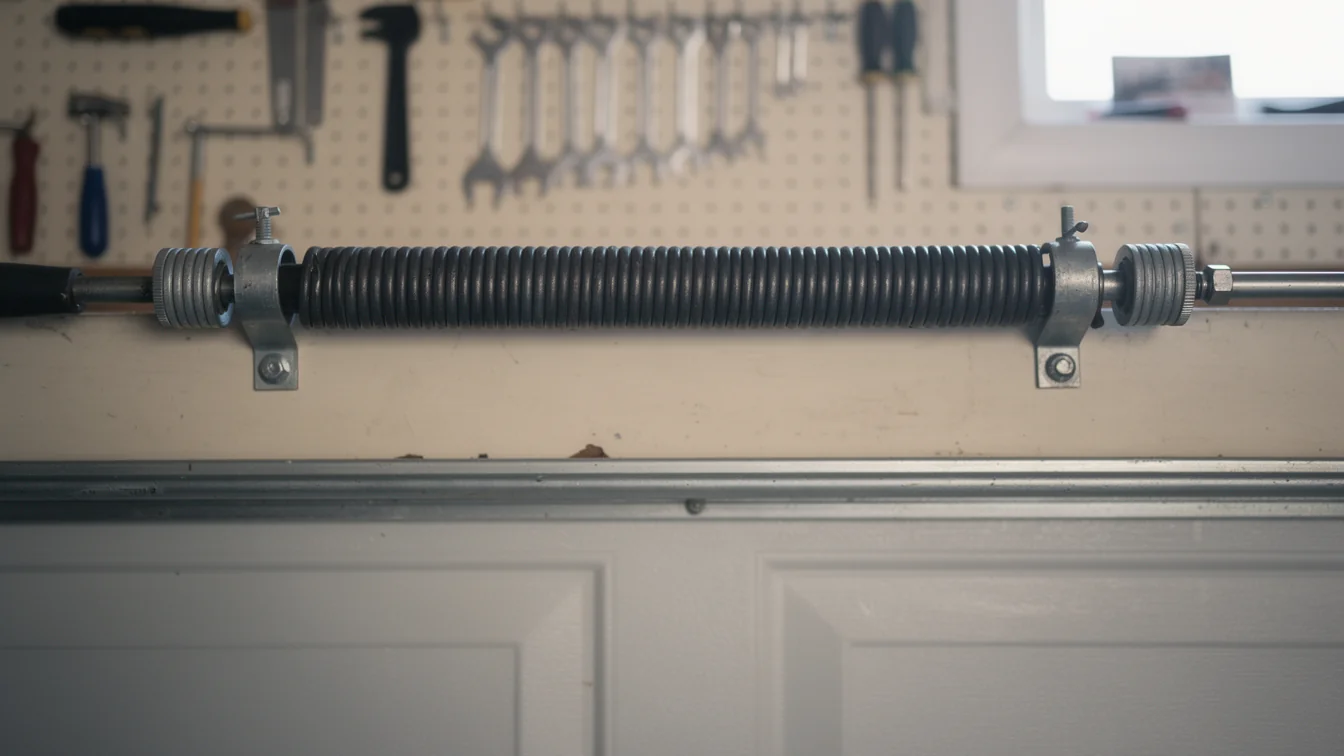
Before you call anyone, look at the spring itself. It sits above the door on a shaft, usually one or two coils depending on door weight. A broken one shows a clean gap in the coil, sometimes with the two halves pushed apart an inch or two. If the door won't budge, or it goes up a few inches and stalls, that's the spring, not the opener.
Pull the manual release cord and try to lift the door by hand. If it feels like dead weight instead of lifting with a little help from the springs, you've got your answer. Don't force it past that point. A lot of houses in East Point went up between 1951 and 2007, with the median landing around 1978, so the spring on your garage may well be an original or a first replacement that's simply reached the end of its coil life. Age and a cold morning are a common combination here.
One honest limitation: you can diagnose a broken spring yourself in under a minute, but replacing it is not a DIY job. Torsion springs are under real tension and winding bars matter. If the coil is broken, stop opening and closing the door until it's fixed.
The area
Where People Go Wrong
The most common mistake is hitting the opener button again after the door stalls. The opener motor isn't built to lift the door's full weight alone, and a few more tries can strip the gears or burn out the motor trying to do the spring's job. If the door only moved a few inches before stopping, that's the spring giving out, not a sensor or remote issue.
The second mistake is assuming a spring that worked fine all summer is fine now. Houses across East Point's named sections, from Greenbriar to Jefferson Park, mostly carry hardware from that same 1960s and 70s wave of construction. A spring that's been cycling for decades doesn't fail gradually and give warning. It holds tension right up until a cold morning puts it over the edge, and then it's just done.
People also skip checking which type of spring they have before trying any kind of home fix. Torsion springs and extension springs behave differently under load, and guessing wrong is how fingers get hurt. If you're not sure which one is mounted over your door, that uncertainty alone is a reason to leave it alone and get it looked at.
What we find
What Is Going On
A torsion spring is just wound steel holding a lot of stored energy. Every time the door opens and closes, the coil flexes slightly, and over thousands of cycles that steel fatigues at a microscopic level, long before it ever looks worn to the eye. Cold weather doesn't cause that fatigue, but it's often what exposes it. Steel contracts and stiffens as temperatures drop, and a spring that was a day away from failing anyway tends to let go on the cold morning rather than the warm afternoon.
This matters more in a service area where the housing stock runs from 1951 through 2007 with a median around 1978. A spring installed as original equipment on a house from that era, or even a first replacement put in twenty years ago, has had a long run of seasonal cycling behind it. The spring doesn't know how old the house is, but the math works out the same: more winters, more cycles, more chances for a cold snap to be the one that finds the weak point.
This is mechanical fatigue, not a defect you could have caught by looking at the coil. It just reaches the end of its rated cycles, and cold is often the final push.
How we work
What the Weather Here Does to It
East Point sits in a cold-moderate climate band. That doesn't mean brutal sustained freezes, but it does mean the temperature swings below freezing on a fair number of winter mornings, and those swings matter more to a spring that's already near the end of its service life than people expect. Steel loses a little flexibility as it cools, and a coil under tension that's been fatiguing quietly for years is more likely to give way on one of those cold mornings than during a mild one in October.
The moderate part of that climate band also means the garage door hardware here isn't built or rated for extreme cold the way it might be further north, so there's no extra margin baked in. A spring that's doing fine in July can be the one that snaps in January simply because the metal is stiffer and the morning cycle load lands differently.
If your garage has gone through several winters without a spring replacement, and the house itself dates anywhere from the 1950s through the 2000s like most of the stock around here, a cold snap is a reasonable time to expect trouble, not a surprising one.
Questions
Common questions
Why did my spring break on such a cold morning specifically?
Cold doesn't cause the fatigue, it exposes it. Steel stiffens as it cools, and a spring that's been flexing for years and is close to the end of its cycle life often fails on the coldest mornings rather than mild ones. If your spring was going to go, a cold snap is a common trigger.
How do I know if it's the spring and not the opener?
Pull the manual release and try lifting the door by hand. If it feels like dead weight with no assist, the spring is broken. If the door stalls a few inches up when using the opener, that's also a spring sign, not a motor problem.
Is it safe to keep using the opener if the door only opens partway?
No. Repeated attempts ask the opener motor to lift the door's full weight, which it isn't built for. That can strip gears or burn out the motor. Stop using the opener once you suspect a broken spring and leave the door as is until it's checked.
My house is older, does that mean the spring is original?
Possibly, or it could be a past replacement. Either way, houses in this area mostly date from the 1950s through the 2000s with a lot of 1960s and 70s construction, so the hardware has usually had decades of cycling behind it by the time a cold morning finds the weak point.
Recommendation
You Might Also Like
More garage door guides for East Point homeowners.
Openers and Power Cuts in East Point Homes
Why East Point's 1960s-70s housing stock and cold-moderate winters hit garage door openers hard during power cuts, and what to check before you call anyone.
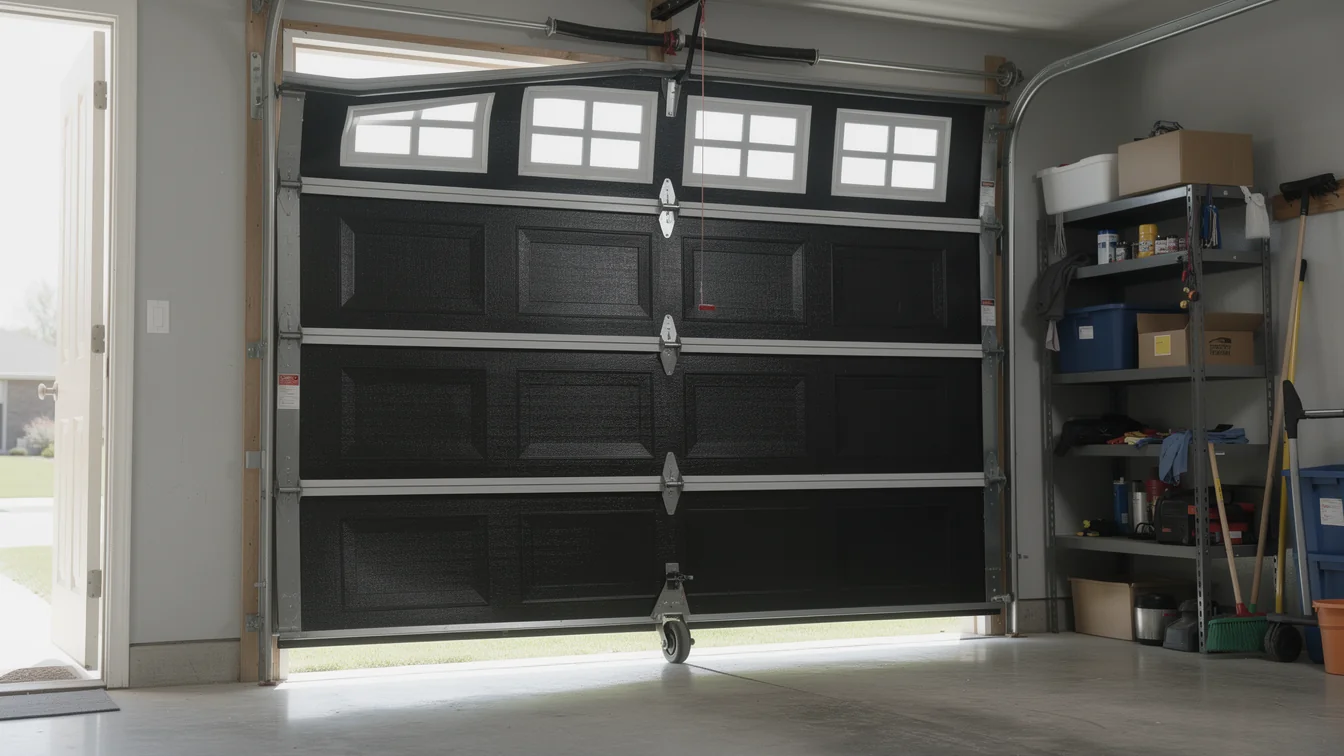 Why Your Garage Door Jumps the Track
East Point homes built mostly in the 1960s and 70s have track hardware that ages a specific way.
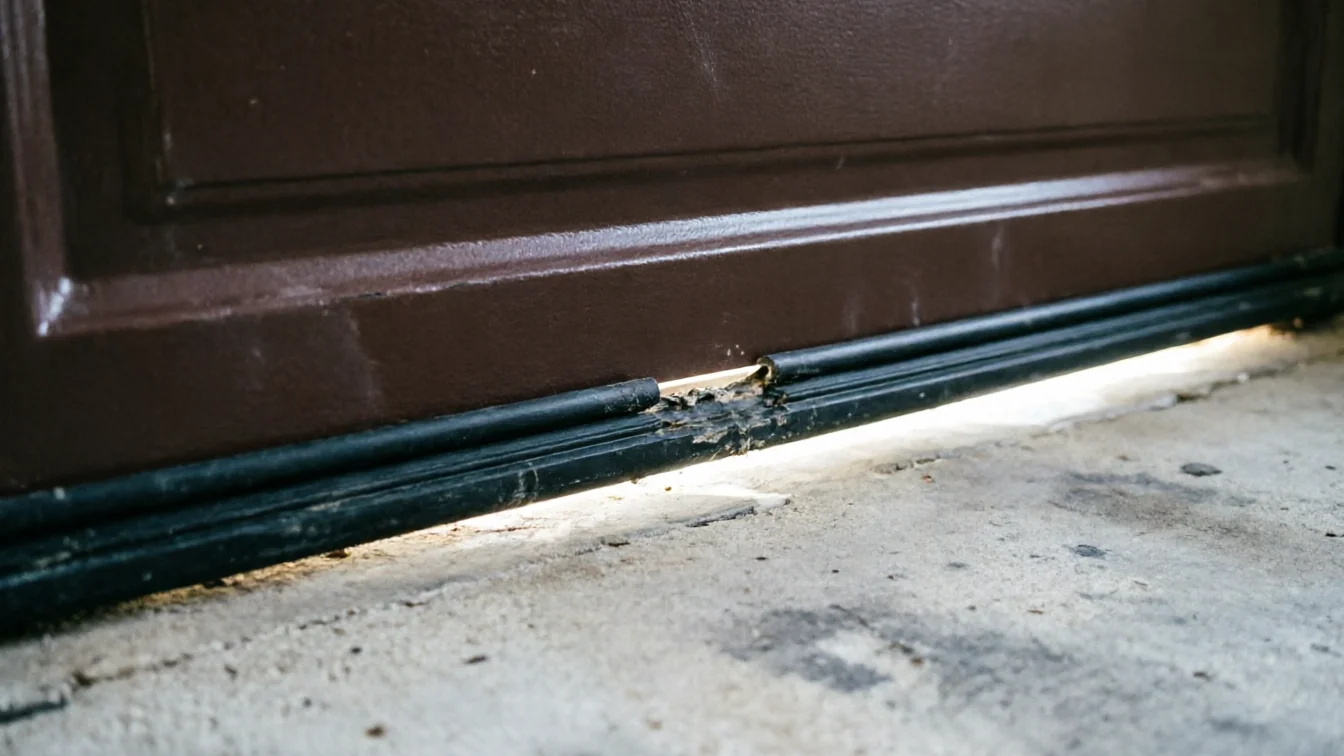 Checking Your Weather Seals and Draughts in East Point
How to check weather seals and draughts on an East Point garage door, built for the 1960s-70s housing stock and cold-moderate winters common here.
Ready when you are
Need a garage door sorted in East Point?
East Point Garage Door Pros repairs and installs garage doors, springs and openers in East Point, GA and the surrounding area.