
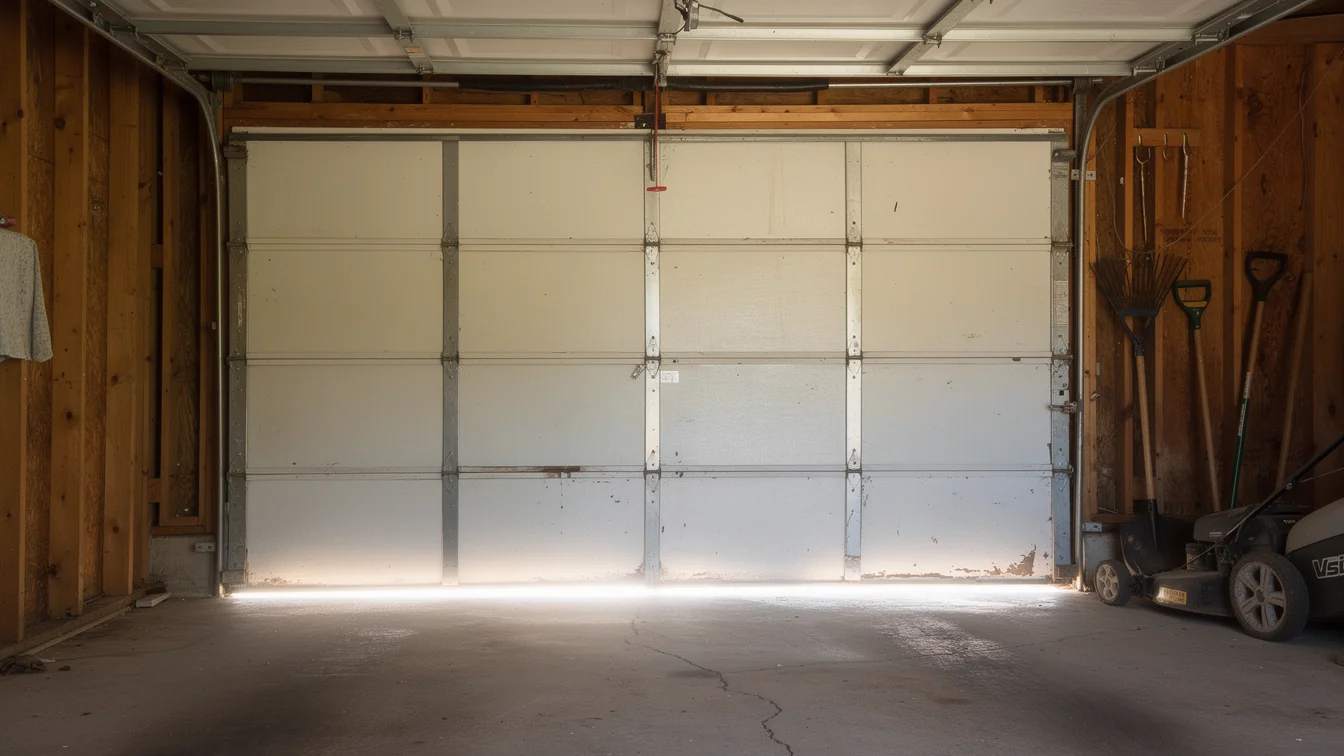
 Why So Many East Point Garage Doors Predate Insulation Standards
Most East Point garage doors date to the 1960s-70s boom, before insulation codes existed.
BlogEast Point, GA · 4 min read
What a Technician Checks First on an East Point Garage Door
In East Point, most homes date from the 1960s-70s with some newer construction through 2007. See what a technician inspects first before calling for repair.
Local detail
Checking It Yourself
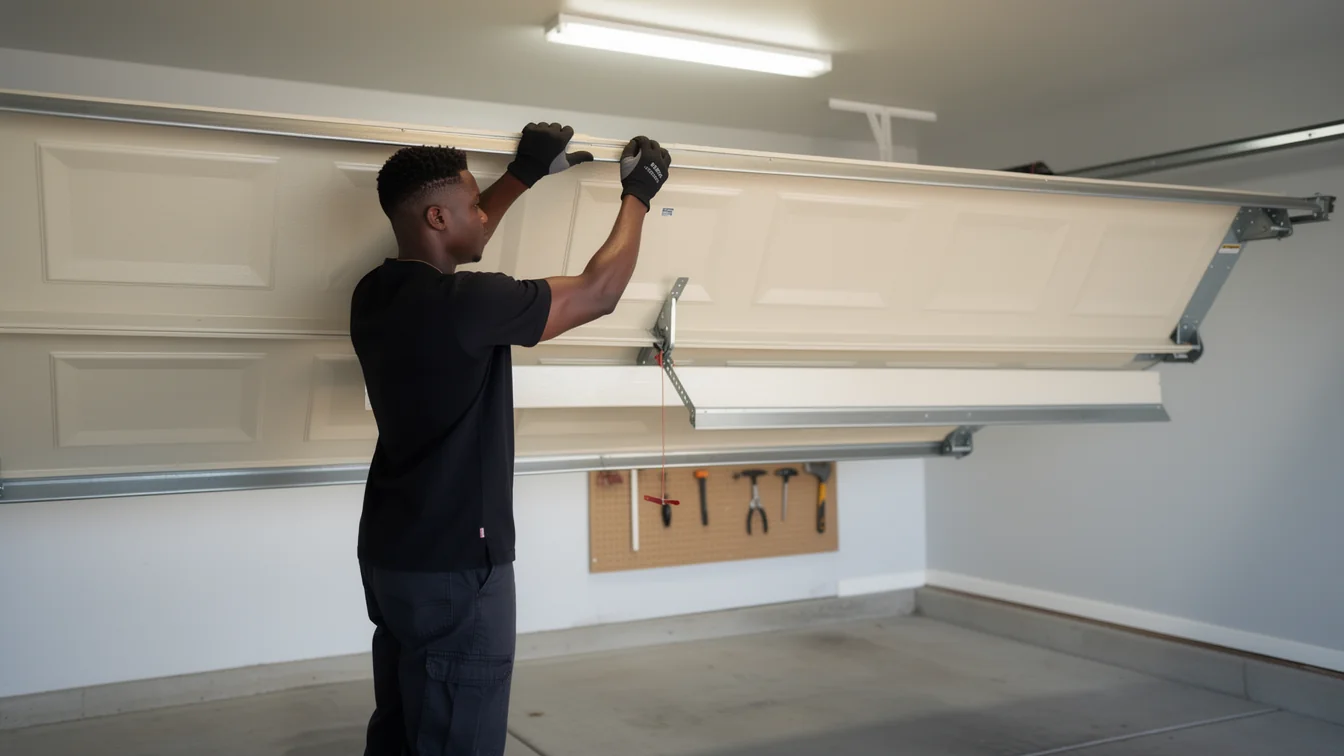
Before you call anyone, pull the release cord and lift the door by hand. If it's heavy, fights you, or drops on its own, that's a spring problem, not an opener problem. A door in good balance should hold at waist height and stay there.
Next, look at the springs themselves. East Point's housing stock runs from 1951 up through 2007, with a median build year around 1978 - so depending on which block you're on, you could be looking at original torsion hardware that's close to fifty years old, or a system installed during a later remodel. Original springs on homes from the 1960s and 70s are usually the galvanized kind, and by now they've either been replaced once already or they're overdue.
Check the tracks for daylight gaps where they bolt to the jamb, and run a hand along the bottom roller brackets for rust streaks. Listen for grinding when the door moves - that's usually a roller, not the motor. None of this requires tools, just five minutes and the door open.
The area
Where People Go Wrong
The most common mistake is blaming the opener first. In neighborhoods like Greenbriar, Jefferson Park, and Glenrose Heights, where houses were built mostly in the 1960s and 70s, the opener is often the newest part on the whole door - homeowners replace the motor unit once or twice over the life of a house, but the springs and the track hardware frequently never get touched. So the chain strains, the gears wear fast, and the owner spends money on a new opener when the real load problem was a tired spring forcing the motor to do work it was never built for.
The second mistake is spraying lubricant on everything and calling it done. That quiets a noise for a week or two but doesn't fix a roller that's worn oval or a spring that's lost tension.
With a median household income of $63,308 across this service area, a lot of people are weighing a $200 repair against a $1,200 opener swap, and guessing wrong on which one actually solves the problem costs more in the end.
What we find
What Is Going On
Most garage doors in this area are original to houses built decades ago - the median year here is 1978, which puts a lot of torsion springs at or past their rated cycle life. A standard torsion spring is good for somewhere around 10,000 open-close cycles. Run the math on a door used twice a day for over forty years and you're well past that number, even before you count garage doors used more heavily as a second entrance.
What happens next is predictable: the spring doesn't always snap outright, it gradually loses tension coil by coil. The door gets heavier to lift, the opener strains harder each time, and eventually either the spring breaks clean or the opener's gear set wears out trying to compensate. Rollers go the same slow way - steel rollers on older tracks wear down unevenly, and the door starts to walk sideways in the track instead of running straight.
One honest limitation: once a torsion spring has started to sag rather than break, there's no adjustment that restores it. At that point replacement is the only real fix, and trying to stretch it further usually just shortens the life of the opener that's compensating for it.
How we work
What the Weather Here Does to It
This area sits in a cold-moderate climate band, which means the door hardware deals with real temperature swings rather than steady heat or steady cold. Steel contracts in cold snaps and expands again as temperatures climb back up, and that cycling is hard on anything with a tight tolerance - track alignment, roller bearings, spring coils.
On older houses, especially the original 1960s and 70s stock found through much of the service area, that cycling has had decades to work on hardware that was never upgraded. Rust shows up first at the bottom roller brackets and the spring coils, where condensation collects overnight and doesn't fully dry before the next cold stretch. A rusted spring doesn't just look bad - it loses tension faster and is more likely to snap under load than one that's been kept dry and lubricated.
This isn't a climate that destroys a door quickly, the way sustained heat or heavy humidity can warp wood panels elsewhere. It's slower: it rewards regular lubrication and rust checks, and it punishes hardware that's been ignored for twenty or thirty years straight, which describes a fair number of garages on the older blocks around here.
Questions
Common questions
How old are most garage doors in East Point likely to be?
It depends on the block. Housing in the service area was built anywhere from 1951 to 2007, with the median year around 1978. If your house falls on the older end, especially in one of the original 1960s or 70s neighborhoods, your door hardware could be original and nearing fifty years of use.
Why does my opener strain but the door still won't open all the way?
That's almost always a spring that's lost tension, not a motor fault. The opener is doing extra work to lift a door that should be nearly weightless when balanced. Pull the release cord and lift by hand - if it's heavy, the spring is the problem, not the opener.
Does the weather here actually affect garage door springs?
Yes. This is a cold-moderate climate, and the swing between cold nights and warmer days causes condensation that settles on spring coils and roller brackets overnight. Over years that moisture drives rust, which weakens springs faster than dry wear alone would.
Is it worth fixing an old spring or should I replace the whole door?
If the door panel, track, and opener are sound, a spring swap is usually the cheaper and faster call. Replacement makes more sense when the rust or wear has spread past the spring into the track and rollers, which is common on hardware original to houses from the 1960s and 70s.
Recommendation
You Might Also Like
More garage door guides for East Point homeowners.
Why So Many East Point Garage Doors Predate Insulation Standards
Most East Point garage doors date to the 1960s-70s boom, before insulation codes existed.
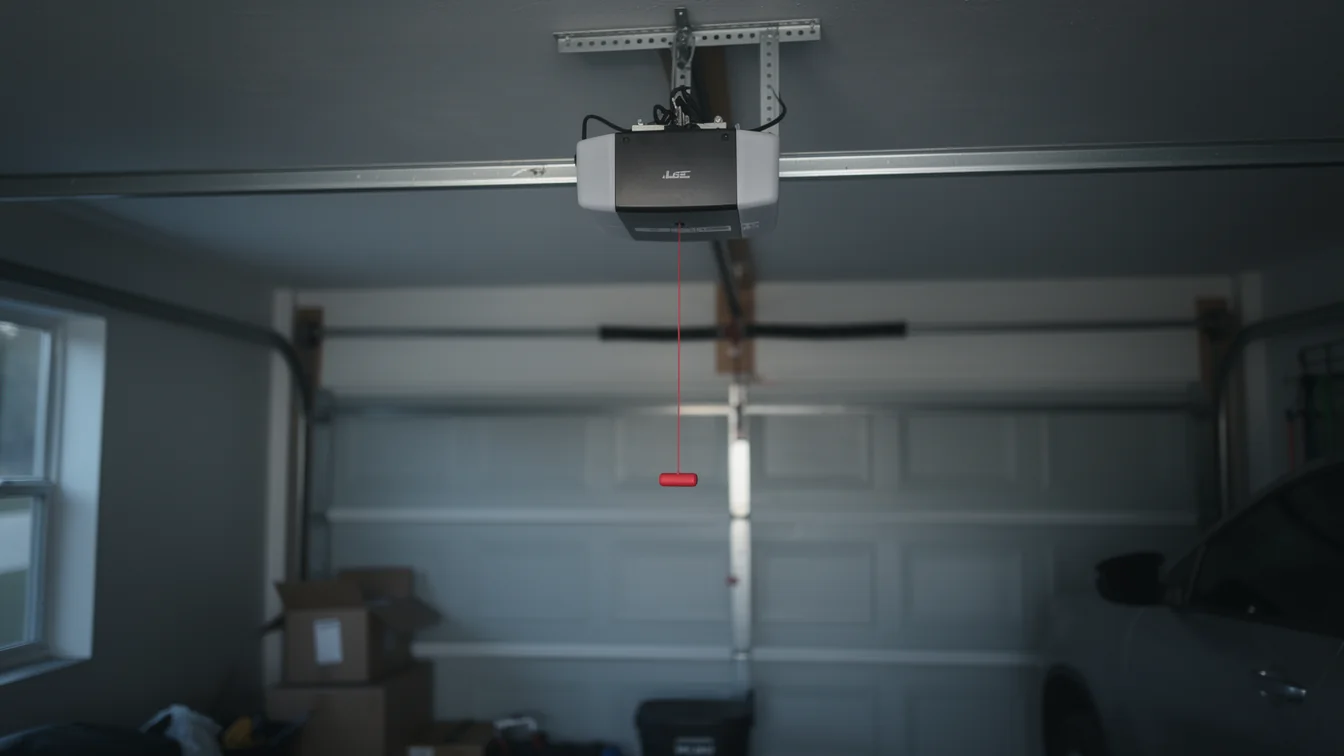 Openers and Power Cuts in East Point Homes
Why East Point's 1960s-70s housing stock and cold-moderate winters hit garage door openers hard during power cuts, and what to check before you call anyone.
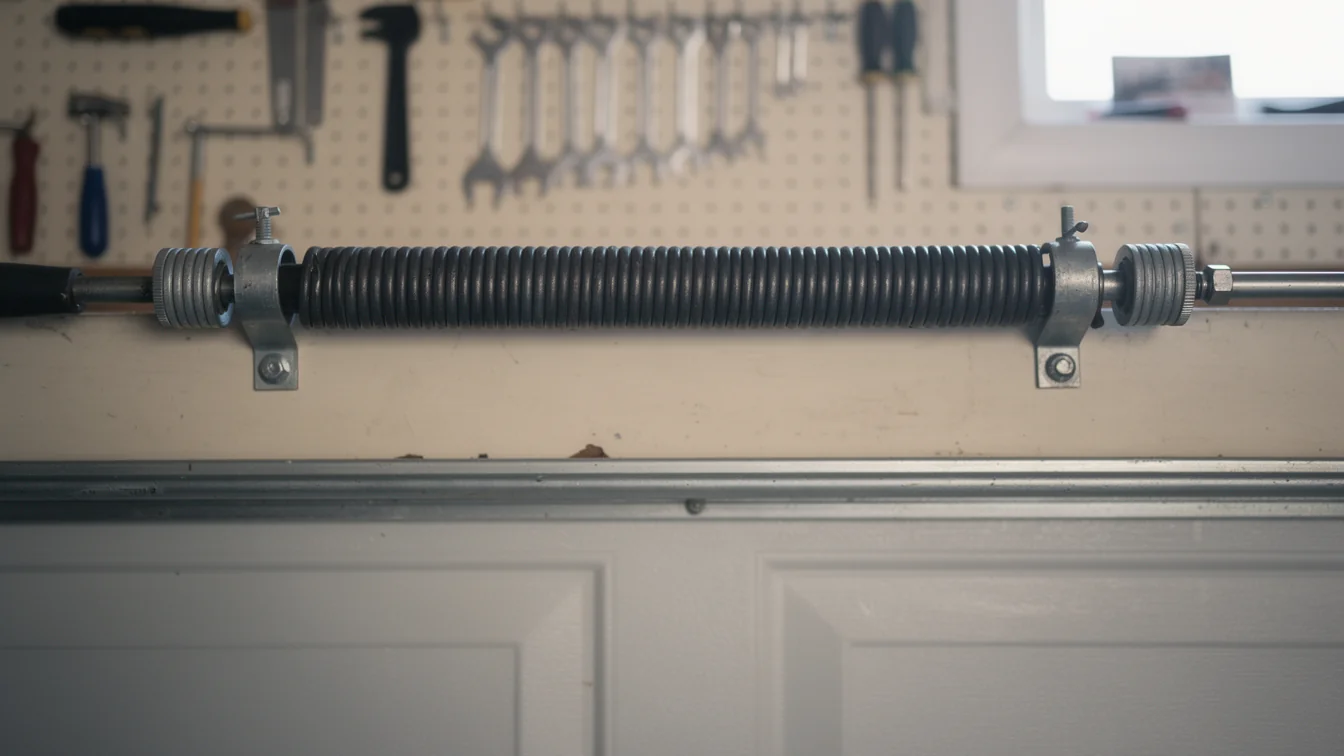 When the Cold Snaps and Your Spring Lets Go
East Point homes built mostly in the 1960s and 70s see torsion springs fail when cold snaps hit steel hardened by decades of Georgia humidity and heat.
Ready when you are
Need a garage door sorted in East Point?
East Point Garage Door Pros repairs and installs garage doors, springs and openers in East Point, GA and the surrounding area.