
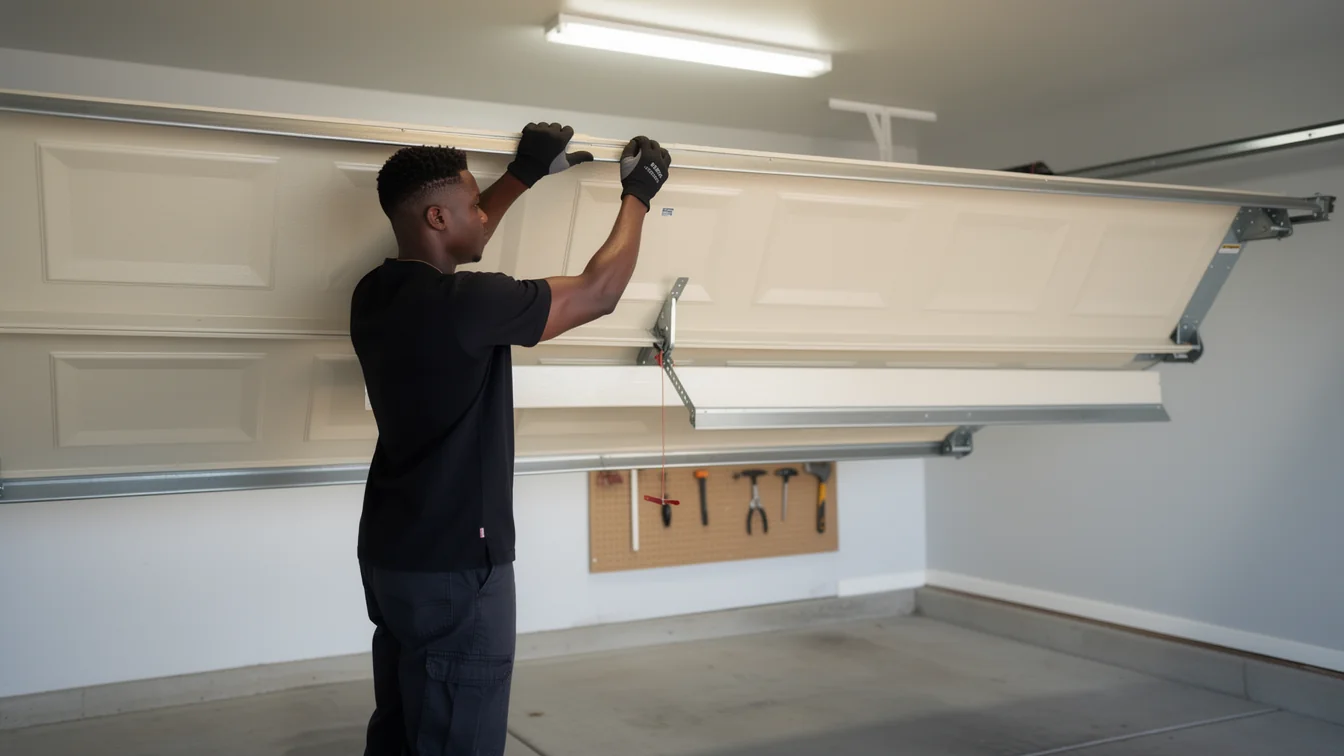
 What a Technician Checks First on an East Point Garage Door
In East Point, most homes date from the 1960s-70s with some newer construction through 2007.
BlogEast Point, GA · 4 min read
Why So Many East Point Garage Doors Predate Insulation Standards
Most East Point garage doors date to the 1960s-70s boom, before insulation codes existed. Here's what that means for your door and how to check it yourself.
Local detail
Checking It Yourself
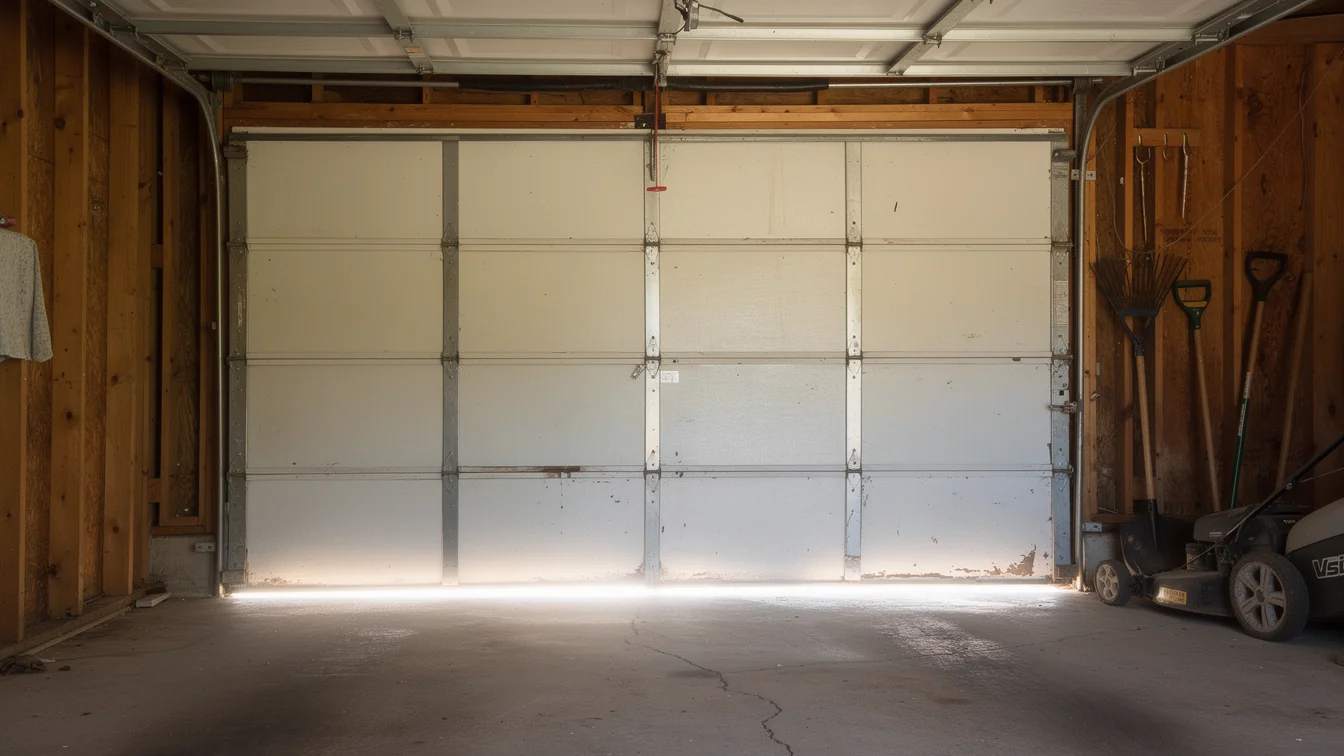
Start by looking at the door panel itself, not just the opener. Houses in East Point were mostly built between 1951 and 2007, with the median landing around 1978 and the bulk of the stock going up through the 1960s and '70s. That matters because a lot of those original doors are single-layer steel or wood, no foam core, no thermal break. Pull the door down halfway and knock on it. If it sounds hollow and thin, that's a door from before anyone cared about R-value on a garage. Check the bottom panel for rust bubbling where it meets the slab - common on doors that age, especially if the original seal has hardened. Look at the track mounting too. A lot of 60s and 70s construction used lighter gauge brackets than what gets installed today, and those can work loose after a few decades without anyone noticing until the door starts walking in the track. None of this requires tools, just fifteen minutes and a flashlight. If you find rust through the steel rather than on the surface, that's a replacement conversation, not a touch-up one.
The area
Where People Go Wrong
The mistake we see across the older sections of East Point is treating a 1970s door like a current one - lubricating the track and calling it maintenance, when the real issue is a panel and insulation package that was never built to hold heat or stop condensation in the first place. People also assume a noisy door means a bad opener. More often on houses from this era it's the original rollers, which were steel and unlubricated by design, now worn oval after decades of use. Another common error: weatherstripping gets replaced generically, without checking whether the door frame itself has shifted. On the 1950s-60s end of the housing stock, slab foundations have had sixty-plus years to settle, so a seal that looks fine can still leak air because the frame it's mounted to is no longer square. Swapping the strip doesn't fix a frame that's moved a half inch out of true.
What we find
What Is Going On
Across East Point's 33 named areas - from Jefferson Park to Sandtown to the sections nearer Greenbriar - the housing stock skews heavily to that 1960s-70s build window, and garage doors from that period simply weren't manufactured with insulation as a design requirement. That changed later, but a huge share of original doors here never got the memo because they never got replaced. With 52,738 owner-occupied houses in the service area and a median household income of $63,308, we see a lot of owners holding onto original doors longer than the door was built to last, because a full replacement competes with other repairs on a fixed budget. That's a reasonable call in a lot of cases - a well-maintained uninsulated door isn't dangerous, it's just inefficient and noisier than a modern one. We won't tell you to replace a door that still opens straight and seals reasonably well just because it's old.
How we work
What the Weather Here Does to It
East Point sits in a cold-moderate climate band, which means the garage sees real temperature swings across the year without the deep-freeze extremes some regions get. That's actually harder on an old uninsulated door than constant cold would be - repeated expansion and contraction of a thin steel panel, day after day, works the seams and the hinge points over time. On a pre-insulation door, that cycling is also what drives condensation on the inside face during cold mornings, which is what eventually gets to the rust we see on bottom panels in the older parts of town. A torsion spring sized for a 1970s door also ages differently under that kind of cycling than one in a stable climate - the metal fatigues, and a spring that's thirty-plus years old on an original door is not a part we'd bet on holding through another winter of swings. We stock springs and rollers, but a specialty insulated panel for a less common original size can take longer to source, and that's worth knowing before you're standing in a cold garage at 7 a.m. with a door that won't lift.
Questions
Common questions
Is my garage door too old to repair, or should I replace it?
If your East Point house dates to the 1960s or 70s boom and still has its original door, the panel itself likely has no insulation and worn original hardware. A torsion spring or roller swap is usually worth doing. If the steel is rusted through or the panel is bowed, replacement makes more sense than another round of patch repairs.
Why does my garage feel colder than it should for a moderate climate?
East Point sits in a cold-moderate band, which means real seasonal swings rather than extremes. An original uninsulated door from the 1960s-70s building era has no foam core and a hardened seal, so it does little to block that swing - the garage tracks outdoor temperature closely.
Do I need to replace weatherstripping or something else?
Often the strip looks worn but the real leak is a frame that's shifted slightly after decades on a settled slab foundation, common in East Point's older sections. New weatherstripping on an out-of-square frame won't seal fully - check the frame alignment first.
Recommendation
You Might Also Like
More garage door guides for East Point homeowners.
What a Technician Checks First on an East Point Garage Door
In East Point, most homes date from the 1960s-70s with some newer construction through 2007.
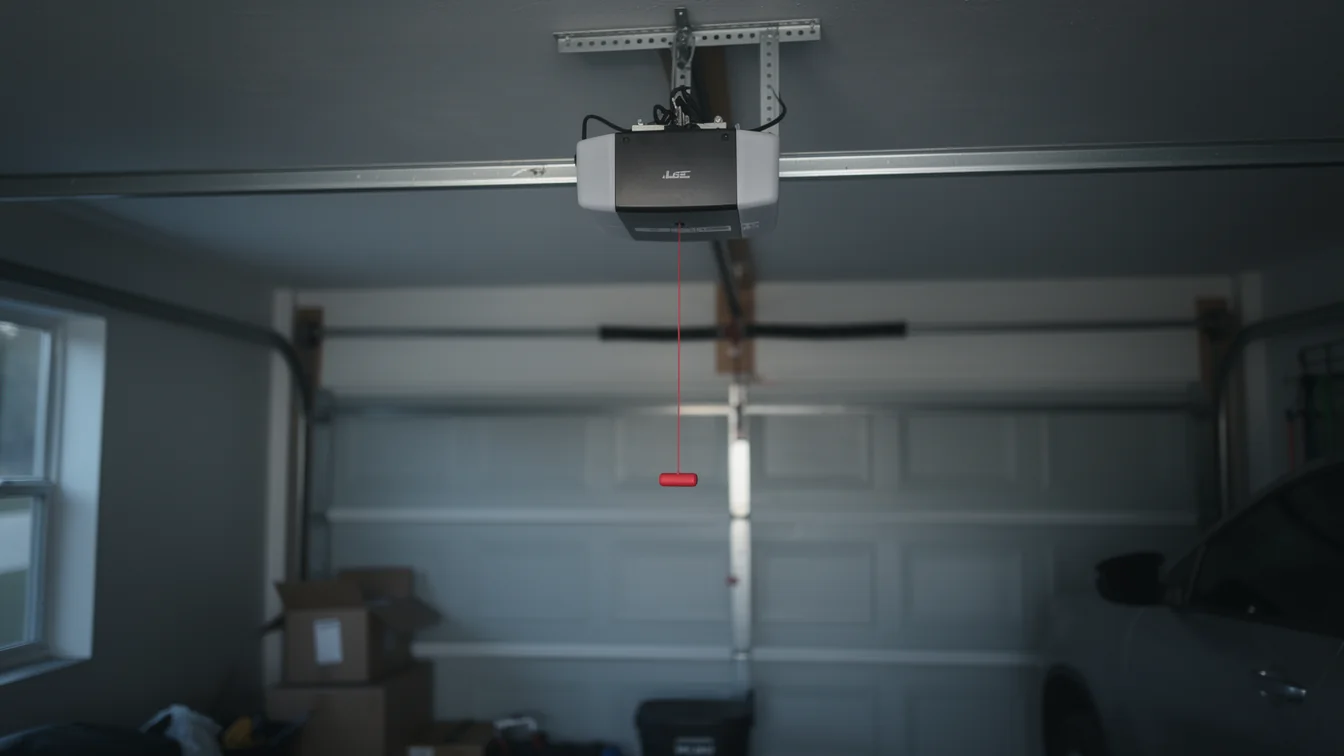 Openers and Power Cuts in East Point Homes
Why East Point's 1960s-70s housing stock and cold-moderate winters hit garage door openers hard during power cuts, and what to check before you call anyone.
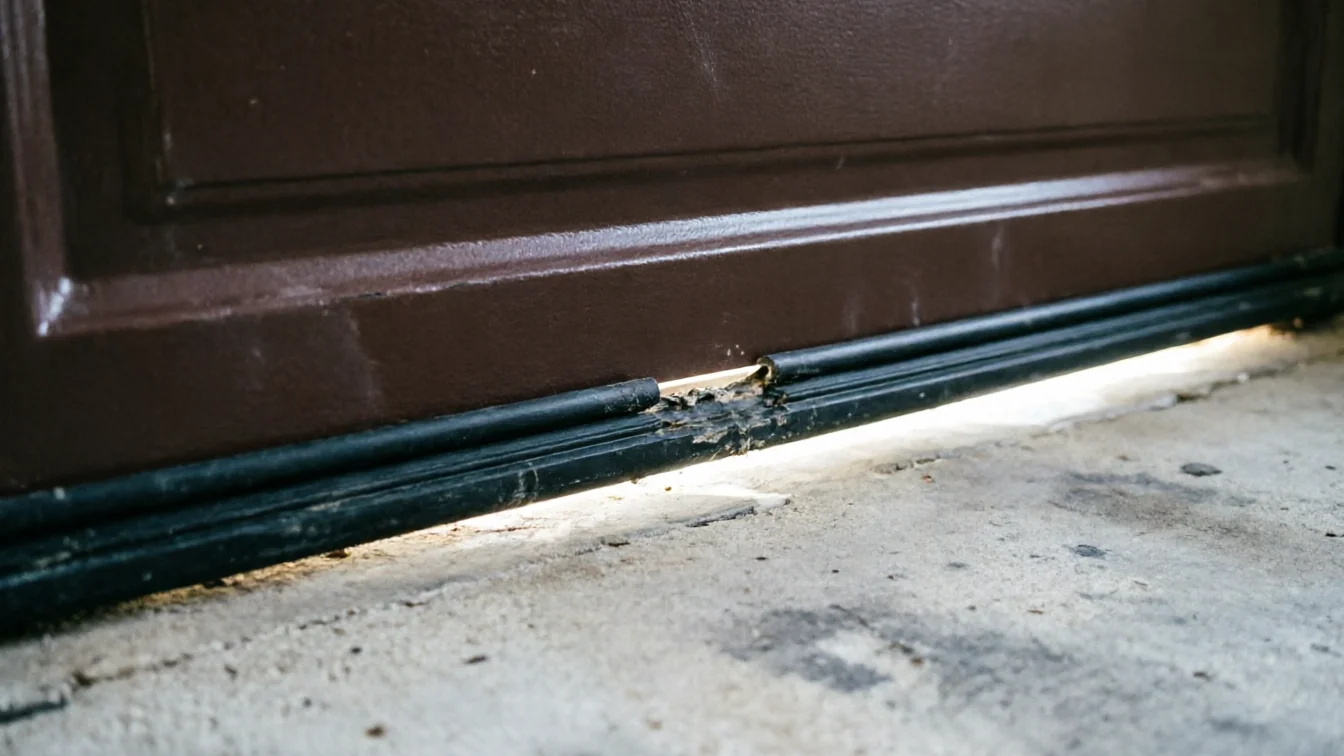 Checking Your Weather Seals and Draughts in East Point
How to check weather seals and draughts on an East Point garage door, built for the 1960s-70s housing stock and cold-moderate winters common here.
Ready when you are
Need a garage door sorted in East Point?
East Point Garage Door Pros repairs and installs garage doors, springs and openers in East Point, GA and the surrounding area.