
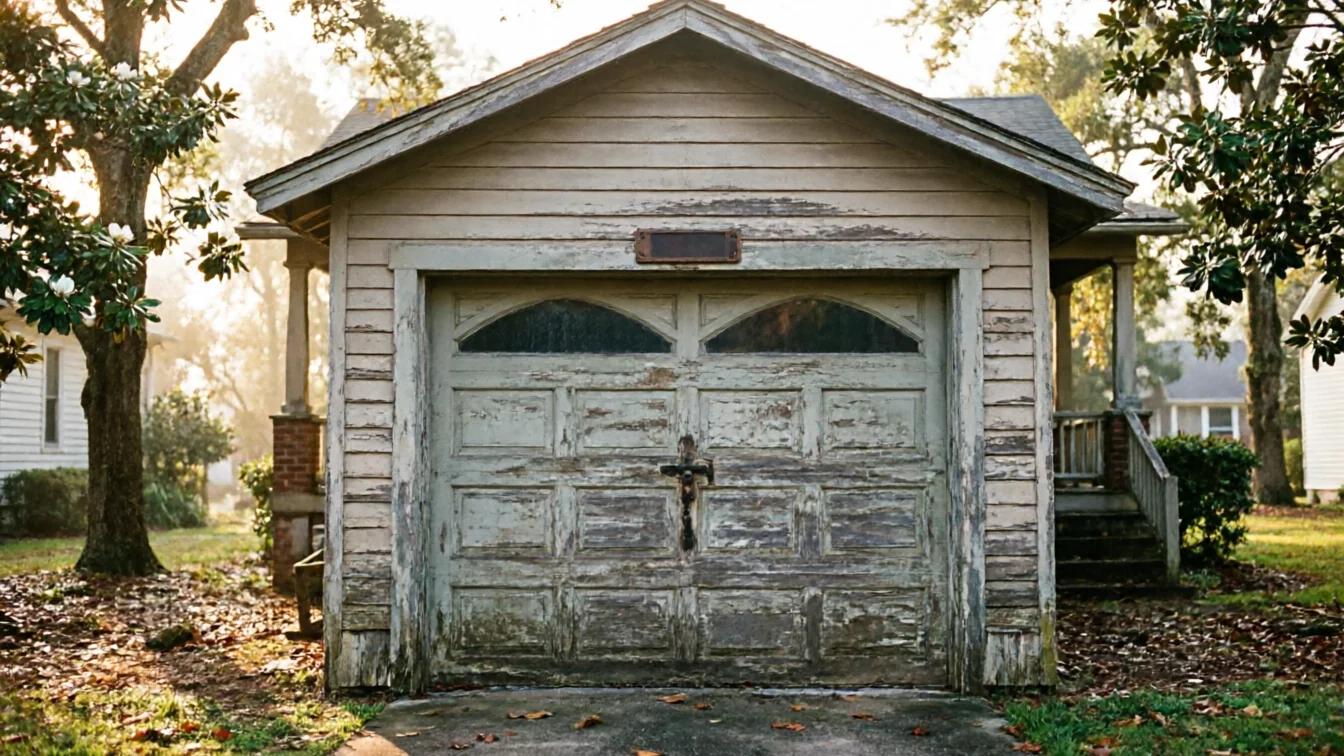
 Is Your Old East Point Garage Door Worth Fixing, or Done
East Point's housing dates mostly to the 1960s-70s with a 1978 median build year.
BlogEast Point, GA · 5 min read
The Noise Your Garage Door Is Making, and What It's Telling You
A grinding, popping, or thumping door in East Point usually points to one of a handful of causes tied to the age of the home. Here's how to tell them apart.
Local detail
Checking It Yourself
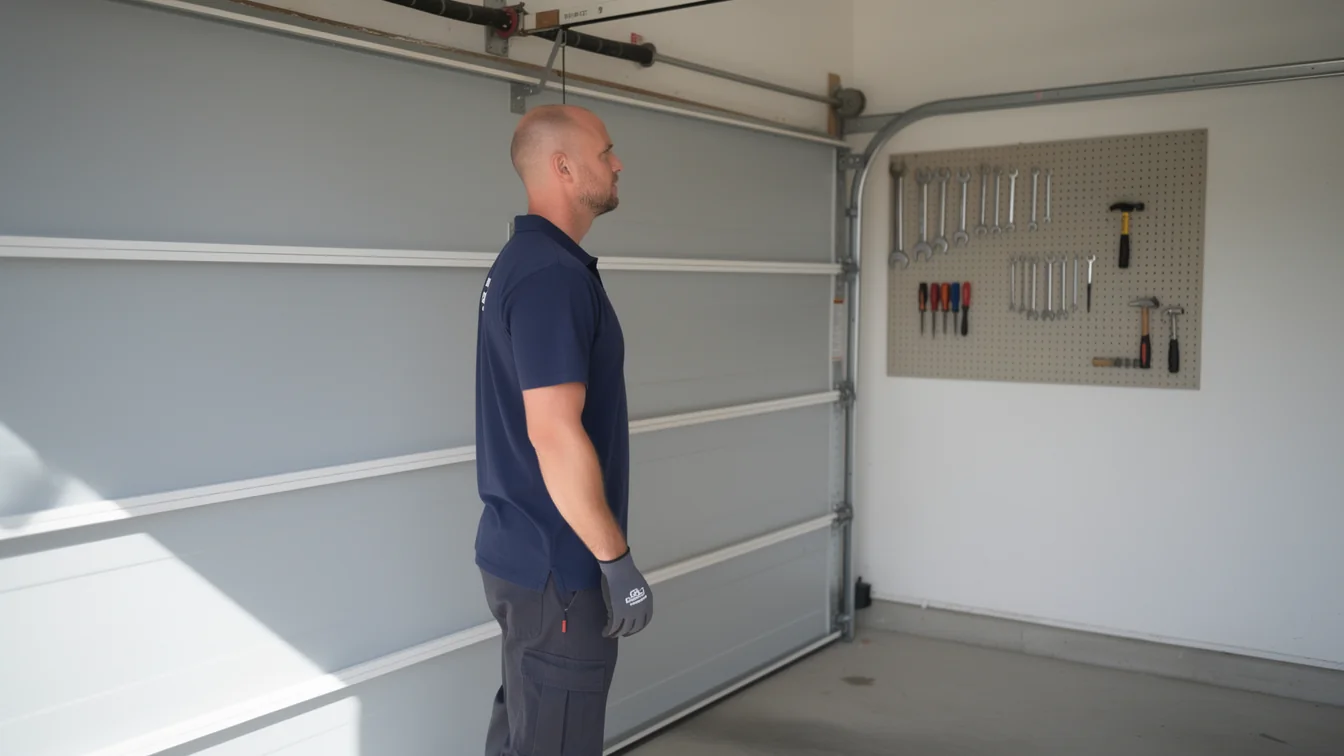
Before you call anyone, stand in the garage with the door closed and run it up and down once, listening instead of watching. A single sharp bang on the way up is almost always a spring letting go, not something wrong with the opener. A steady grinding that rises and falls with the door's travel usually means a roller or a bent track, and it'll get louder as the door moves past the bad spot. A rhythmic thump every few feet often means a roller has worn down to the bearing or a hinge is loose. Pop the door into manual mode by pulling the red release cord and move it by hand, slowly. If it's heavy or uneven in your arms, that's the spring system, not the opener, no matter what noise it made going up. Houses in East Point's older sections, the ones built through the 1960s and 70s, still run plenty of original torsion hardware that was never upgraded, so a noise that sounds minor can be a spring near the end of its life. We don't recommend touching a torsion spring yourself. The tension stored in that coil can break a finger or worse, and that's one job where a call is worth the money regardless of what else you fix on your own.
The area
Where People Go Wrong
The most common mistake we see is someone spraying WD-40 on a noisy roller and calling it fixed for six months. WD-40 is a solvent, not a lubricant, and it washes grease out of bearings faster than it quiets anything down. The second mistake is assuming the opener motor is the problem because that's where the sound seems loudest. Openers amplify noise from the door and track; they rarely generate it. With East Point's housing stock running from 1951 up through 2007, median build year around 1978, you've got three generations of hardware overlapping block by block, sometimes house to house. A fix that worked on your neighbor's door from the 2000s build wave may not apply to a door on original 1960s track, and vice versa. The third mistake is waiting. A noise that shows up gradually, worsens over a few weeks, and is ignored because the door still opens tends to end in a full stop, usually at the worst possible time, like leaving for work.
What we find
What Is Going On
Age and mismatch are the two forces behind most of the noise calls we get in East Point. A door built around that 1978 median has had decades to work its rollers loose, stretch its cables, and let its track drift slightly out of alignment, none of which happens suddenly. On the older end of the range, pre-1970s builds still running original hardware, the springs themselves are reaching or past the point where metal fatigue makes failure a when, not an if. On the newer end, houses built closer to 2007, the noise is more often a roller or hinge that was never swapped in for something better than the builder-grade part it shipped with. Either way, the fix is rarely the whole door. It's almost always one part: a roller, a hinge, a spring, or a section of track that's bent from a bump nobody remembers giving it. We'll tell you plainly when a door isn't worth fixing, usually when the panels themselves are rusted through or the track is bent in more than one place, but that's the exception, not the rule.
How we work
What the Weather Here Does to It
East Point sits in a cold-moderate climate band, which means real temperature swings through the year but nothing like the deep freeze-thaw cycles that tear apart hardware further north. What that does here is slower and quieter: metal contracts in cold snaps and expands back in the heat, and over enough winters that cycle loosens bolts, dries out factory grease, and lets small amounts of play creep into hinges and roller stems. It's not dramatic, but it's steady, and it's part of why an older door in East Point tends to get noisier gradually rather than failing all at once. Humidity plays a role too, working on any exposed steel track or hinge that's lost its coating, especially on doors that have been here since the 1970s and 80s. None of this means you need a new door every decade. It means a yearly check of hardware tension and a re-lube of the moving metal parts goes further here than it would somewhere with a milder, drier climate.
Questions
Common questions
My garage door makes a loud bang but still opens fine. Is that a problem?
That bang is very likely a torsion spring breaking or a cable slipping off its drum. The door can still look like it's working because the opener is doing more of the lifting than it should, which strains the motor. Don't run it again until someone's looked at it. This is not a tighten-a-bolt fix.
Why does my door get noisier in winter?
Cold metal contracts, and over years that cycle works bolts loose and dries out lubricant in hinges and rollers. In East Point's cold-moderate climate that's a gradual effect rather than a sudden one, but it adds up faster on doors that haven't been relubed in a year or more.
My house was built in the 1960s. Does that matter for the noise?
Yes. A lot of East Point's housing dates to that 1960s-70s stretch, and a door that age is often running original torsion hardware that's simply reaching the end of its service life. The noise is frequently the spring or rollers telling you they're near done, not a quick fix.
Can I just oil everything and see if it stops?
Lubricating hinges, rollers, and the torsion shaft with a silicone or lithium-based lubricant helps and is worth doing regularly. It won't fix a cracked roller or a spring that's lost tension, though, so if the noise comes back within days, it's a part, not a maintenance gap.
Recommendation
You Might Also Like
More garage door guides for East Point homeowners.
Is Your Old East Point Garage Door Worth Fixing, or Done
East Point's housing dates mostly to the 1960s-70s with a 1978 median build year.
 Replacing an Old Garage Door in East Point
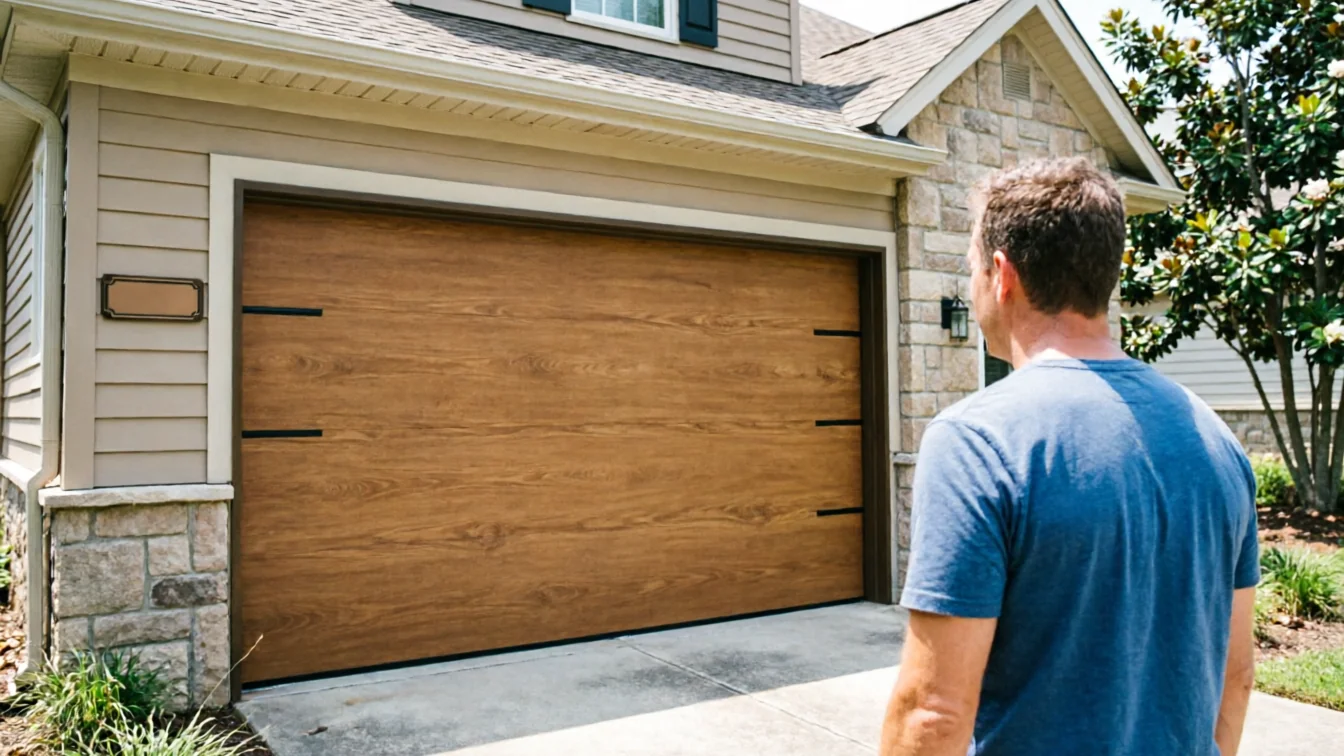
If your East Point garage door is original to a house built between the 1960s and 70s, here's what actually goes wrong and what replacing it really involves.
 Why So Many East Point Garage Doors Predate Insulation Standards
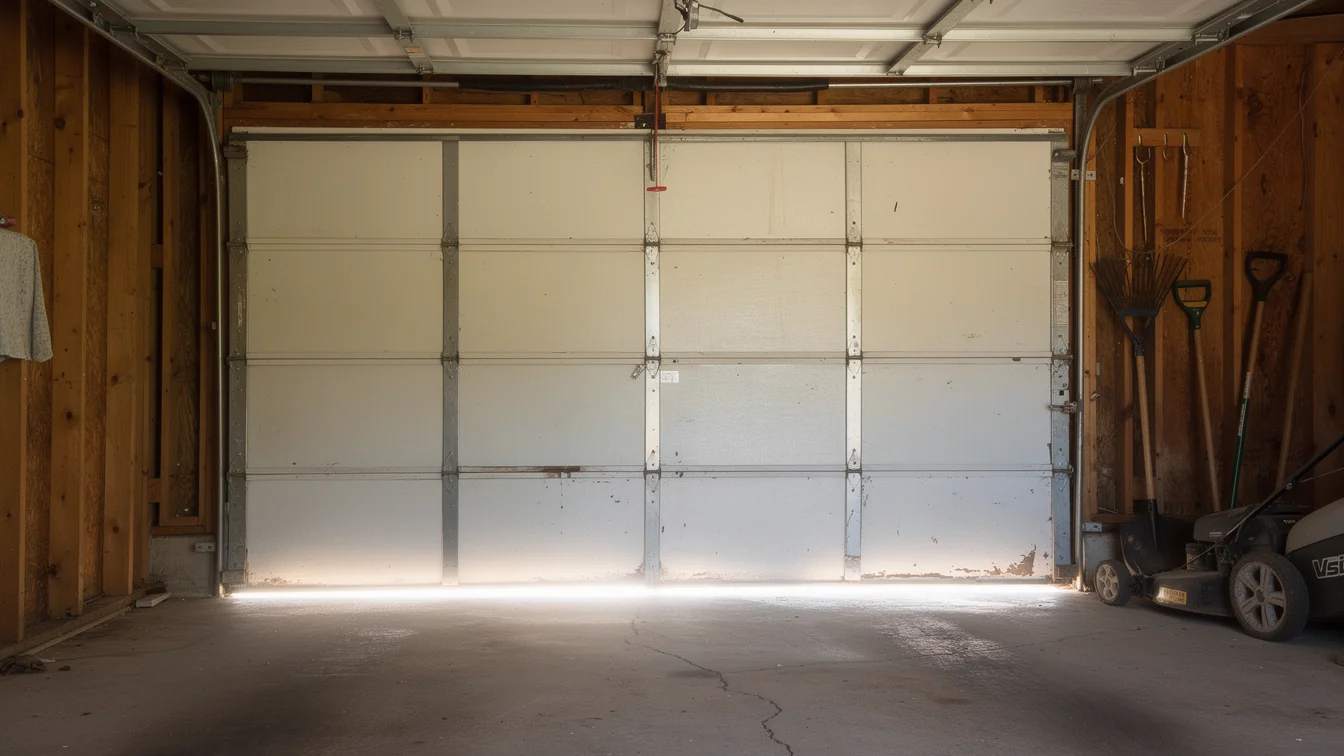
Most East Point garage doors date to the 1960s-70s boom, before insulation codes existed.
Ready when you are
Need a garage door sorted in East Point?
East Point Garage Door Pros repairs and installs garage doors, springs and openers in East Point, GA and the surrounding area.