
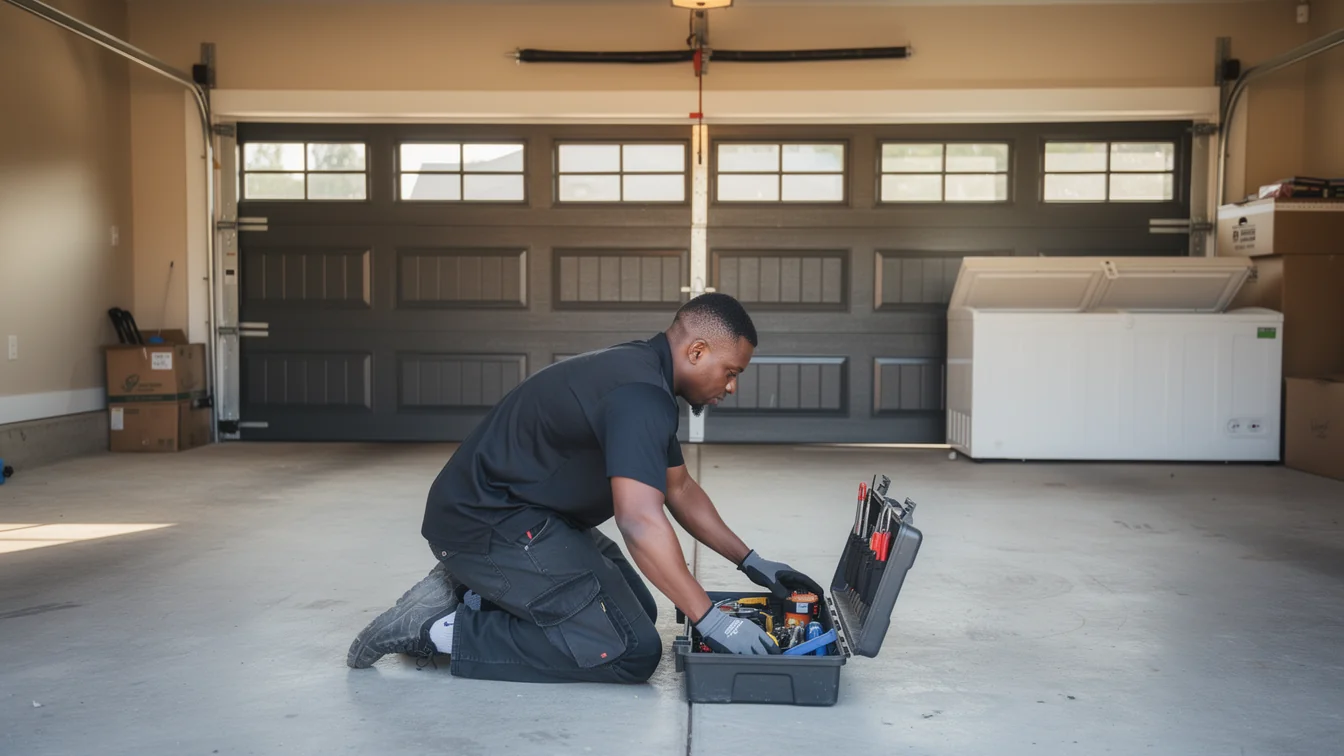
 What We Actually Check When We Come Out to Your Door
A clear look at what a garage door service call covers in East Point, GA - matched to the city's 1960s-70s housing stock and cold-moderate winters.
BlogEast Point, GA · 4 min read
Openers and Power Cuts in East Point Homes
Why East Point's 1960s-70s housing stock and cold-moderate winters hit garage door openers hard during power cuts, and what to check before you call anyone.
Local detail
Checking It Yourself
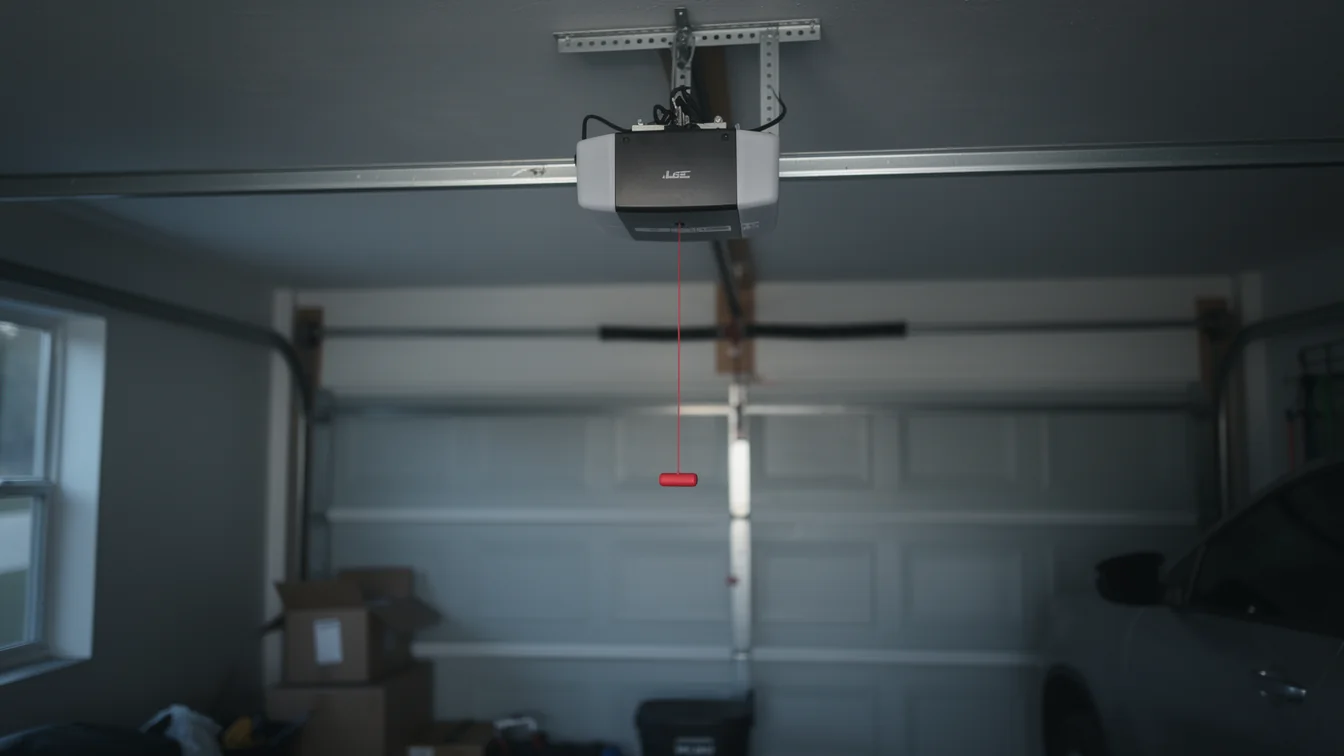
Before you assume the opener is dead, pull the manual release cord and see if the door moves freely by hand. If it does, the problem is electrical, not mechanical, and that matters a lot in a town where most houses went up between 1951 and 2007, with the heaviest building in the 1960s and '70s. That era of house usually has a dedicated outlet or a shared circuit that's been patched over the decades. Check the obvious things first: is the wall button lit, does the opener light turn on at all, is there a GFCI outlet nearby that's tripped. Next check the battery backup, if the unit has one - press the test button and listen for the chime. If the backup is silent, it's either dead or was never replaced after the last outage. Last, look at the photo-eye sensors near the floor on each track rail. A knocked sensor reads as a safety fault, not a power fault, and owners often confuse the two. None of this requires tools. It takes five minutes and tells you whether you're dealing with a wiring issue, a battery issue, or something that actually needs a hand.
The area
Where People Go Wrong
The most common mistake we see is treating every dead opener the same way, when the cause depends heavily on the house behind it. In neighborhoods like Greenbriar, Southwest, and Jefferson Park - all within a few miles of the center of East Point and built in that same 1960s-to-70s wave - the openers themselves have often already been replaced once, but the circuit feeding them hasn't. People buy a new logic board or a new motor unit assuming that's the fix, then find the same symptom returns a month later because the real problem is a loose connection in old house wiring. The second mistake is ignoring the battery backup until it's needed. A backup that's never been tested often fails exactly when a power cut hits, which is the one moment it's supposed to work. Third, people reset the opener's remote programming after every outage instead of checking whether the unit lost memory because of a bad connection upstream. Resetting the remote fixes the symptom for a day and leaves the actual fault in place.
What we find
What Is Going On
Garage door openers run on a small circuit board that holds programming in memory and manages the motor, the lights, and the safety sensors. When power cuts out and comes back unevenly - a brownout, a flicker, a surge as the grid restores - that board can lose its settings or, worse, take damage to a capacitor that was already weak from age. In a service area where the housing median sits around 1978, a lot of these boards are themselves older replacements running on wiring that predates them by decades. That mismatch is where failures cluster. A board rated for clean, steady household current doesn't love a dozen small power interruptions over a few winters. Add a battery backup that's rated for a limited number of cycles, and you've got a unit that looks fine on a sunny day and fails the first time it's actually tested. None of this is dramatic. It's wear that happens quietly, in a part of the system nobody looks at until the door won't open.
How we work
What the Weather Here Does to It
East Point sits in a cold-moderate climate band, not the deep freeze of the upper Midwest, but cold enough for occasional ice and hard frost through the winter months. Power cuts around here tend to follow an ice event rather than a summer storm, and that timing matters: a backup battery that's already lost capacity from age sits in a cold garage drawing down faster than it would in mild weather, and it can die mid-outage instead of carrying the door through the night. Cold also stiffens the grease in older chain-drive units common to this housing stock, which pulls slightly more current at startup - not enough to notice day to day, but enough to push a marginal board past the point it can recover from a rough power cycle. We don't control the grid, and when the outage is on the utility side there's nothing an opener repair fixes. What we can do is make sure the unit and the backup are actually ready for the next one, instead of discovering they weren't during it.
Questions
Common questions
Why does my opener lose its programming every time the power goes out?
Usually it's a weak capacitor on the logic board or a loose wiring connection upstream of the unit, not the remote. Older houses in East Point's 1960s-70s build range often have openers that have been swapped once already, sitting on wiring that hasn't. Reprogramming the remote fixes the symptom for a day; it doesn't fix the connection causing it.
Is a battery backup worth adding if I don't already have one?
If your garage is the main way into the house, yes - it gets you through the kind of ice-related outage that's common here in winter. It won't last forever on its own charge, though, and it needs testing a few times a year, not just installing and forgetting.
Can you fix the house wiring feeding the opener, or just the opener itself?
We work on the opener circuit and its dedicated connections, but we don't rewire a home's electrical panel or trace faults deep into house wiring - that's an electrician's job. If we find the fault is upstream of the opener, we'll tell you plainly instead of guessing at a fix.
Recommendation
You Might Also Like
More garage door guides for East Point homeowners.
What We Actually Check When We Come Out to Your Door
A clear look at what a garage door service call covers in East Point, GA - matched to the city's 1960s-70s housing stock and cold-moderate winters.
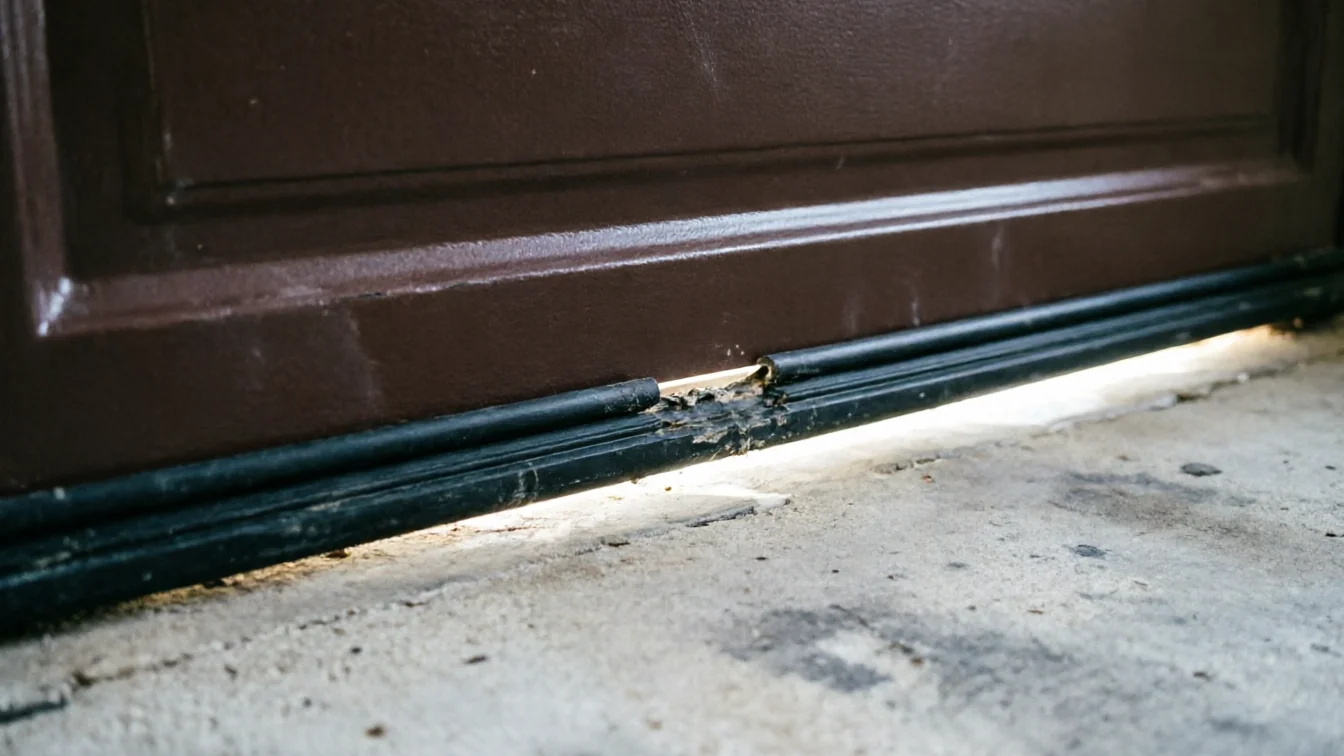 Checking Your Weather Seals and Draughts in East Point
How to check weather seals and draughts on an East Point garage door, built for the 1960s-70s housing stock and cold-moderate winters common here.
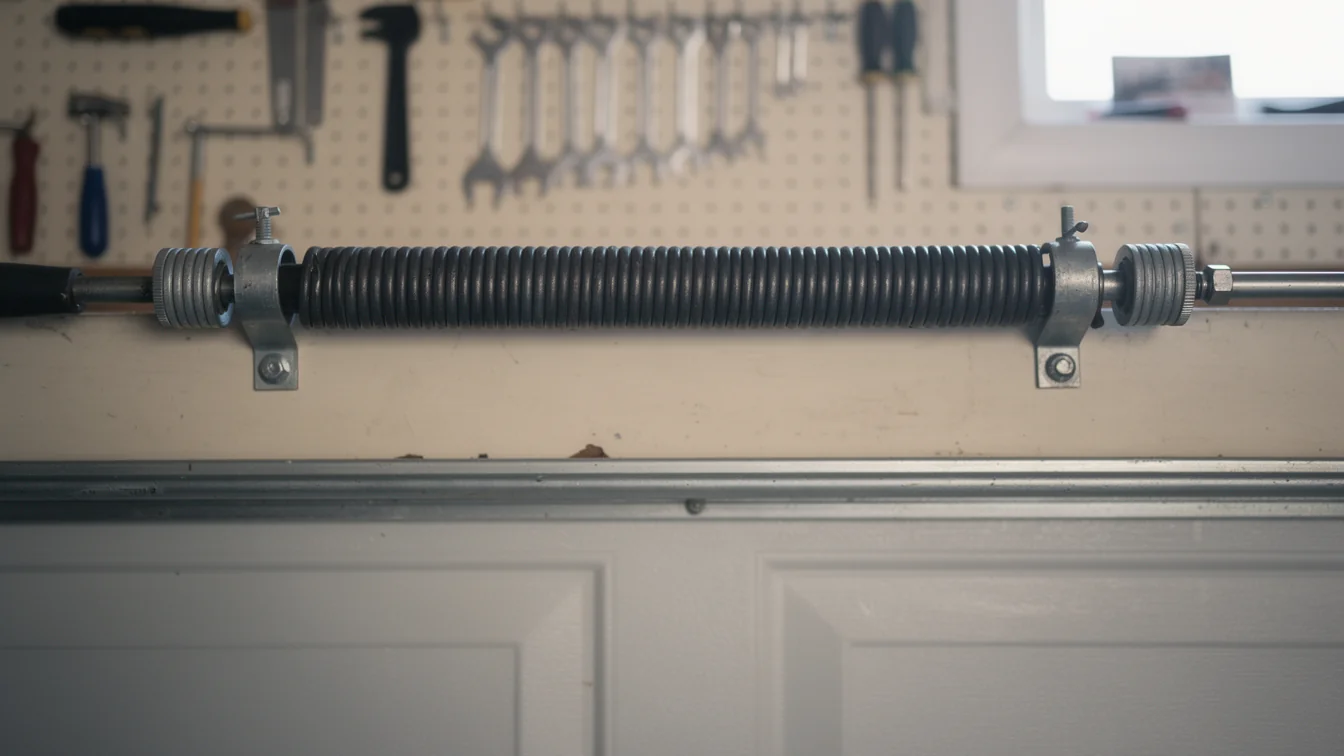 When the Cold Snaps and Your Spring Lets Go
East Point homes built mostly in the 1960s and 70s see torsion springs fail when cold snaps hit steel hardened by decades of Georgia humidity and heat.
Ready when you are
Need a garage door sorted in East Point?
East Point Garage Door Pros repairs and installs garage doors, springs and openers in East Point, GA and the surrounding area.