
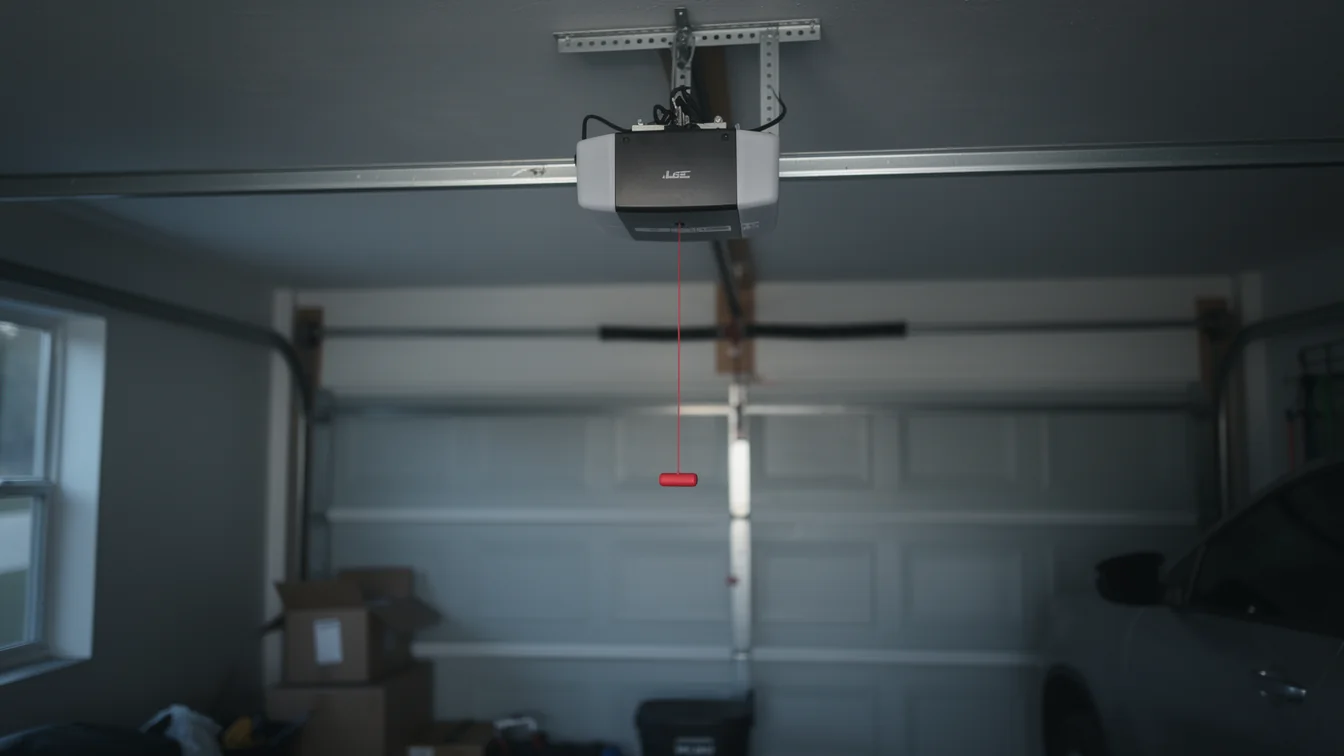
 Openers and Power Cuts in East Point Homes
Why East Point's 1960s-70s housing stock and cold-moderate winters hit garage door openers hard during power cuts, and what to check before you call anyone.
BlogEast Point, GA · 4 min read
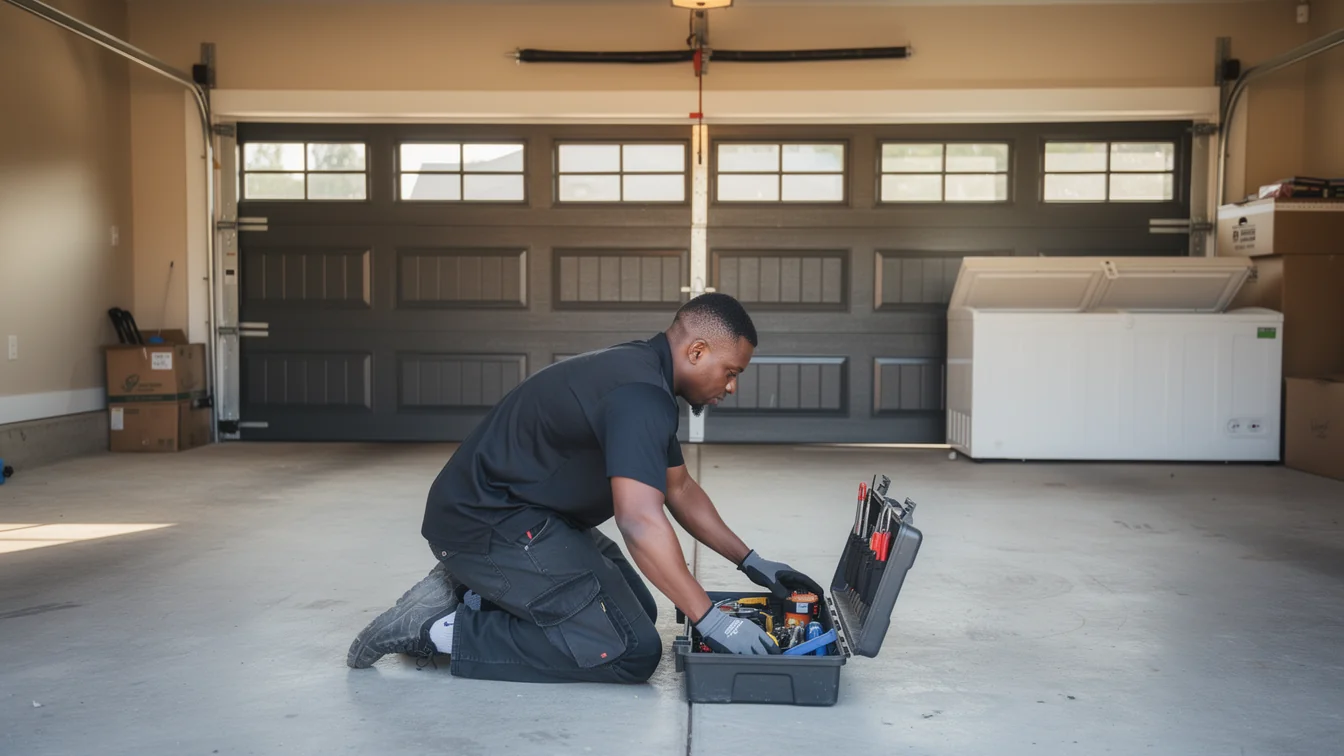
What We Actually Check When We Come Out to Your Door
A clear look at what a garage door service call covers in East Point, GA - matched to the city's 1960s-70s housing stock and cold-moderate winters.
Local detail
Checking It Yourself
Before you call anyone, open and close the door by hand with the opener disconnected. Pull the red release cord, lift the door halfway, and let go. If it holds there, the springs are carrying their share of the weight. If it drops or shoots up, that's a spring problem, not an opener problem, and it's not a DIY fix - torsion springs are under enough tension to hurt you.
Look at the tracks next. In a lot of East Point homes built in the 1960s and 70s, the original tracks are still bolted to original framing that's settled a bit over fifty-plus years. A track that's pulled away from the wall by even a quarter inch at the top bracket will bind the rollers and make the opener strain.
Check the bottom seal too. On houses from this era the slab and the door frame have usually shifted slightly from the original pour, so the rubber seal often sits unevenly even on a door that's otherwise sound. That's cosmetic weatherproofing, not a safety issue, but it's worth noting before the call so you're not surprised when we tell you it's low on the list.
The area
Where People Go Wrong
The most common mistake we see is spraying WD-40 on everything and calling it maintenance. WD-40 is a solvent, not a lubricant - it strips old grease off rollers and hinges faster than it protects them. On the original hardware still found on a lot of doors from the 1951-1978 build range common here, that stripped-dry hardware is what actually causes the grinding noise people call us about.
The second mistake is ignoring a slow opener as just "getting old." On houses with original one-piece or early sectional doors, a motor working harder than it used to is almost always compensating for a spring that's lost tension, not a motor that's wearing out. Replacing the opener without addressing the spring just buys you another year before the same call.
Third: people tighten the track bolts themselves to stop a rattle, without checking that the track is still plumb. Tightening a bolt on a track that's out of alignment locks the misalignment in place and accelerates roller wear. If you're not sure whether a track is straight, that's a five-minute check we'd rather do for free than have you redo twice.
What we find
What Is Going On
Most of the doors we open up in East Point sit on houses built somewhere in the 1951-to-2007 range, with the median landing around 1978 - and the bulk of that stock, across the named areas we cover from Greenbriar to Jefferson Park to Sandtown, is solidly 1960s and 70s construction. That matters because the hardware installed on those doors was sized for what builders expected a single-car or two-car garage door to weigh at the time, often lighter steel and smaller torsion springs than what's standard now.
When a homeowner upgrades to a heavier insulated door decades later without upgrading the spring and opener to match, the whole system runs over capacity. That's the actual root cause behind a big share of the "my door won't open all the way" calls we get in this part of the service area - not a broken part so much as a mismatched one.
A service call means we check spring tension against door weight, inspect cable wear, test the opener's force settings, and look at track alignment - in that order, because each one affects the next.
How we work
What the Weather Here Does to It
East Point sits in a cold-moderate climate band - not the deep freeze-thaw cycling that cracks concrete up north, but enough cold snaps through winter to stiffen grease and tighten metal tolerances on hardware that's already decades old. On a 1960s or 70s door, that stiffening shows up as a harder pull on manual release and a louder startup on the opener during the first cold mornings of the season.
It also means lubricant choice matters more than people think. A light grease that's fine in summer can gum up and slow the rollers once temperatures drop. We check for the right lubricant on rollers, hinges, and the torsion bar during a service call, not just whether something's lubricated at all.
Humidity swings between seasons also work on wood-framed garage openings common in the older part of the housing stock here, shifting the frame slightly and throwing off seal contact. None of this is dramatic weather - East Point doesn't get the kind of extreme cold that cracks springs outright - but it's steady enough wear that an annual check catches problems before they're emergency calls.
Questions
Common questions
How often should I get my garage door serviced in East Point?
Once a year is reasonable for most houses here, timed before winter if you can. Given how much of the housing stock dates to the 1960s and 70s, annual checks catch spring tension and track alignment issues before the cold tightens tolerances and turns a minor issue into a stuck door.
Is a loud opener always a motor problem?
No. On older doors in this area, a motor working harder than it should is usually compensating for a spring that's lost tension, not a failing motor. We check spring tension against door weight before touching the opener, since replacing the motor alone often doesn't fix the real cause.
Do you serve areas outside East Point proper?
We cover the surrounding service area including College Park, Hapeville, Union City, Forest Park, and the named neighborhoods within about ten to fifteen miles, from Greenbriar and Southwest to Jonesboro and Avondale Estates.
Recommendation
You Might Also Like
More garage door guides for East Point homeowners.
Openers and Power Cuts in East Point Homes
Why East Point's 1960s-70s housing stock and cold-moderate winters hit garage door openers hard during power cuts, and what to check before you call anyone.
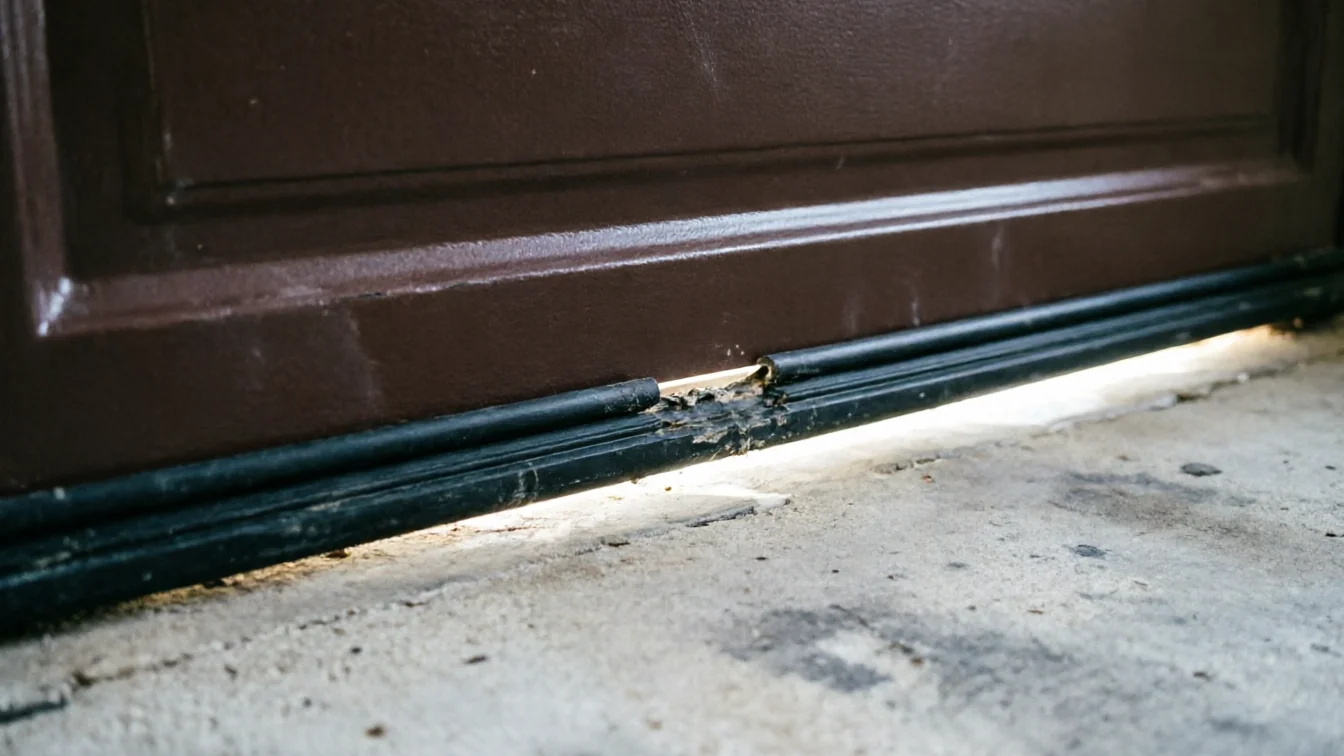 Checking Your Weather Seals and Draughts in East Point
How to check weather seals and draughts on an East Point garage door, built for the 1960s-70s housing stock and cold-moderate winters common here.
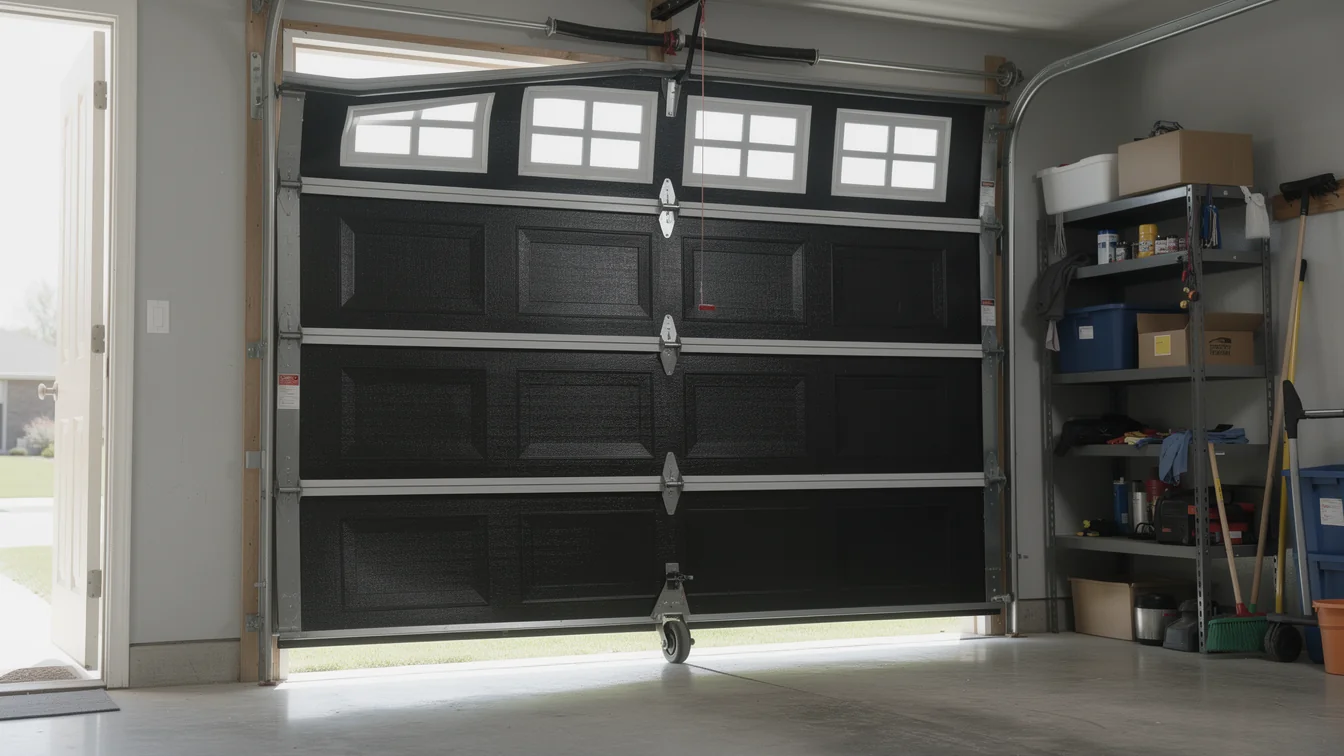 Why Your Garage Door Jumps the Track
East Point homes built mostly in the 1960s and 70s have track hardware that ages a specific way.
Ready when you are
Need a garage door sorted in East Point?
East Point Garage Door Pros repairs and installs garage doors, springs and openers in East Point, GA and the surrounding area.