
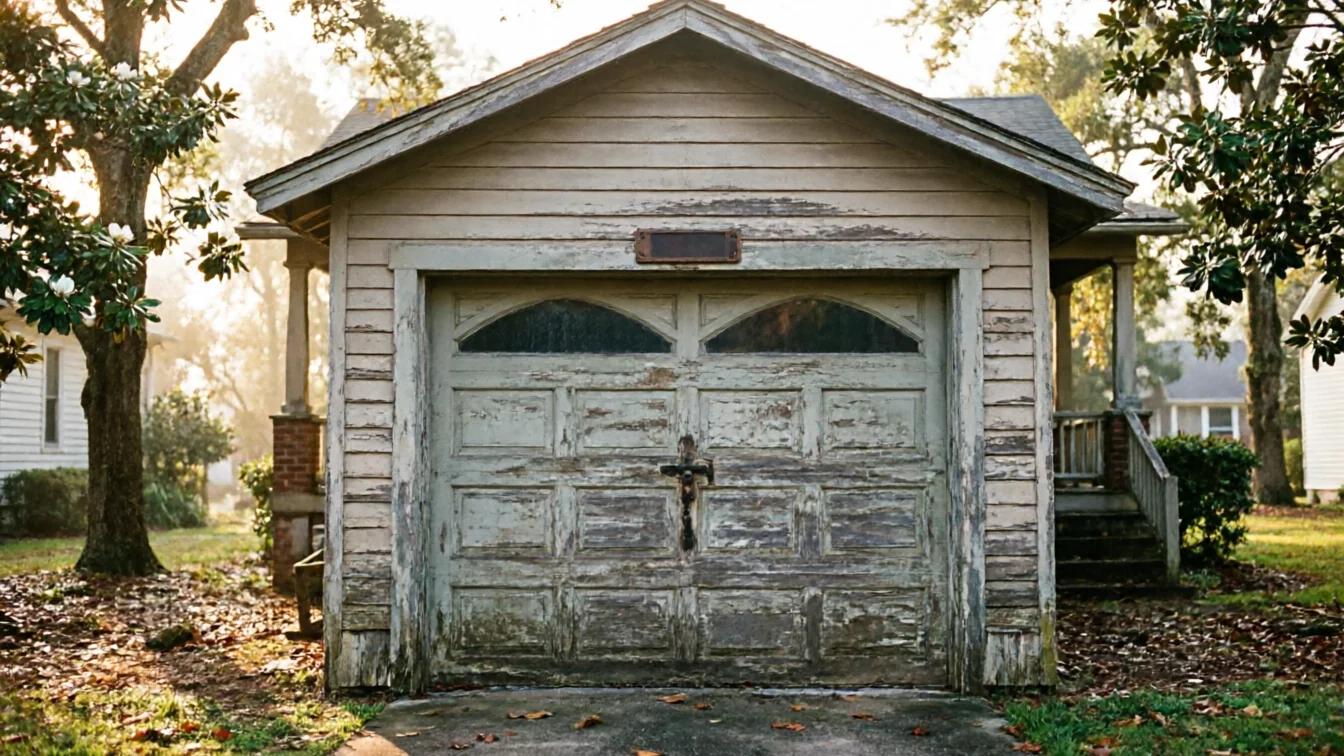
 Is Your Old East Point Garage Door Worth Fixing, or Done
East Point's housing dates mostly to the 1960s-70s with a 1978 median build year.
BlogEast Point, GA · 4 min read
Replacing an Old Garage Door in East Point
If your East Point garage door is original to a house built between the 1960s and 70s, here's what actually goes wrong and what replacing it really involves.
Local detail
Checking It Yourself
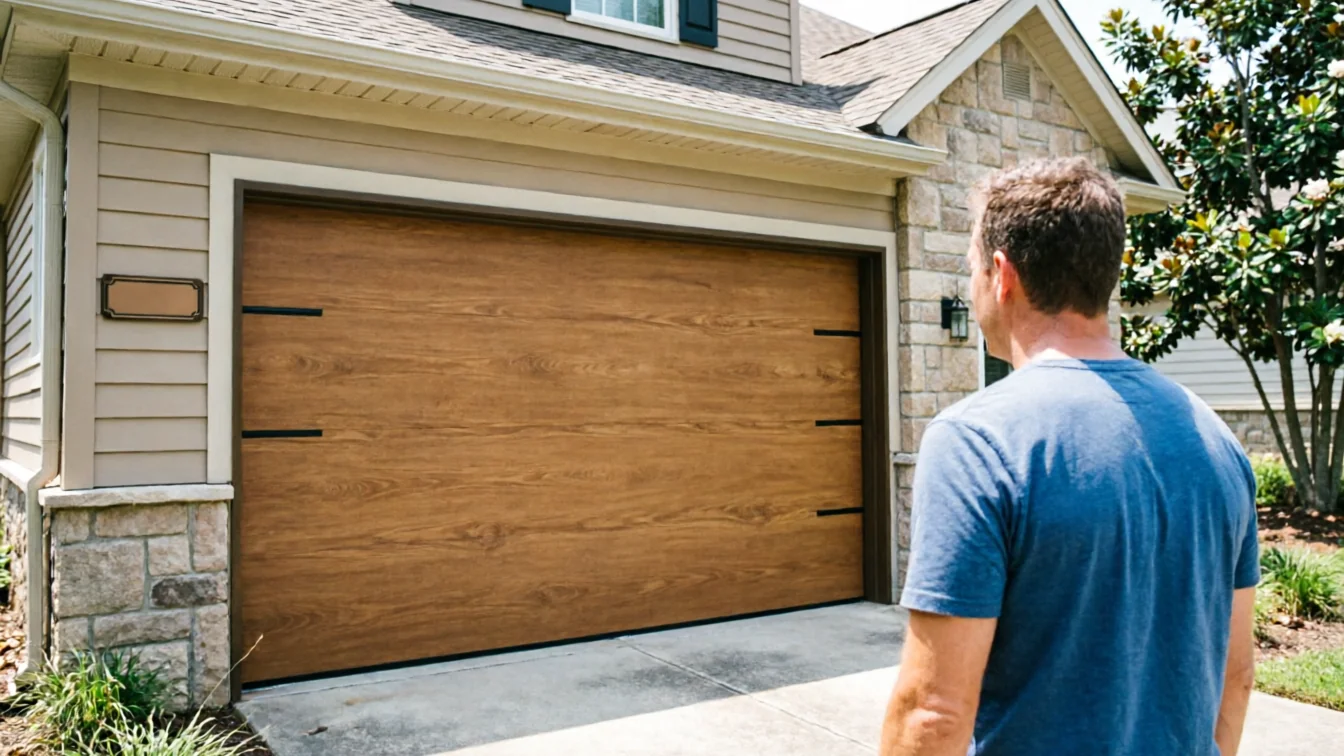
Start by looking at what you've actually got. Housing in this service area went up mostly between 1951 and 2007, with the bulk of it concentrated in the 1960s and 70s across the 33 named areas here. If your house falls in that window, there's a decent chance the door is either original or a direct swap from decades ago - flat steel panels, no insulation layer, a single torsion spring mounted center-over-the-header on older builds. Pop the garage light on and look at the panel seams. Rust bleeding through at the bottom section, daylight showing at the corners, or a panel that flexes when you push on it from outside are signs the steel has thinned past the point of a patch fix. Check the track too - bent rail near the bottom roller usually means a door that's been dragging on an out-of-square jamb for years, which is common in houses from that era that have settled. If the opener strains and reverses before the door seats, that's often the spring compensating for a heavier or warped panel, not the opener itself failing. None of this requires tools, just a flashlight and a few minutes before you call anyone.
The area
Where People Go Wrong
The most common mistake is measuring the opening once and assuming any door sized close to it will work. Older sections of this area have openings cut to specs that predate current standard sizing, and a door that's an inch off on width or height means custom trim work nobody budgeted for. The second mistake is buying on price without checking the climate rating. This area sits in a cold-moderate band - not the deep freeze you'd design for up north, but enough temperature swing that an uninsulated steel door bought for looks alone will telegraph every cold snap straight into the garage and anything stored against that wall. Third, people reuse the old track and hardware to save money on a new door, not realizing that 1960s and 70s-era track was often sized for a lighter panel. Bolt a heavier insulated door onto thirty-year-old rail and you've bought yourself a callback. Last, people skip checking whether the existing spring system is rated for the new door's weight - swapping panels without resizing the spring is the single fastest way to turn a one-day install into a return trip.
What we find
What Is Going On
The reason replacement comes up so often in this part of town traces straight back to the age of the stock. With housing running from 1951 through as recent as 2007 but a median build year of 1978, a huge share of garages here are sitting on doors that are forty-plus years old even if the house itself has been updated elsewhere. Steel sectional doors from that period weren't built with the zinc coatings or thermal breaks that became standard later, so the failure pattern is predictable: bottom panel rust-through first, then spring fatigue, then hardware that's been painted over so many times the fasteners round out when you try to service them. Across the service area's 154,949 households, with 52,738 of those owner-occupied houses, that adds up to a lot of doors reaching the same point in their life at roughly the same time. It's not that these doors were built badly - it's that forty years of seasonal expansion and contraction on uninsulated steel eventually wins. Replacement at that point isn't about aesthetics, it's that the door has structurally aged out.
How we work
What the Weather Here Does to It
This area sits in a cold-moderate climate band - winters cold enough to matter, without the extreme freeze-thaw cycles that crack concrete pads outright. What that does to an older door is slower and less dramatic than storm damage, but just as costly. Steel contracts in cold air, and on a door with no insulation or a thin single layer, that contraction happens fast enough to loosen panel seams that were already weakened by rust. Moisture gets into those seams on humid days and then sits there when temperatures drop, which is exactly how you get rust starting from the inside of a panel instead of the outside. Springs lose a little tension in cold weather too - not enough to snap on its own, but enough that a spring already near the end of its cycle count is more likely to go in January than in July. None of this means you need a heavily insulated door built for a northern winter. It does mean that a door chosen without any insulation rating, just because it was the cheapest option at the yard, tends to show its age here faster than it would somewhere without real seasonal swing.
Questions
Common questions
How do I know if my garage door is original to the house?
If your house was built in the 1960s or 70s - common for a lot of this area - check for flat steel panels with no foam backing, a single spring mounted over the center of the header, and painted-over hardware with rounded fastener heads. Those are signs of an original door that's never been swapped.
Do I need an insulated door for this area?
This area sits in a cold-moderate climate band, so you don't need a heavy northern-spec door, but an uninsulated steel panel will show cold-weather stress - seam loosening and faster rust - sooner than an insulated one. It's worth the upgrade if you're replacing anyway.
Can I reuse my old track with a new door?
Only if the new door's weight matches what the track was built for. A lot of track from 1960s and 70s-era homes was sized for lighter panels, and bolting a heavier insulated door onto it usually means a callback. We check this before quoting.
Recommendation
You Might Also Like
More garage door guides for East Point homeowners.
Is Your Old East Point Garage Door Worth Fixing, or Done
East Point's housing dates mostly to the 1960s-70s with a 1978 median build year.
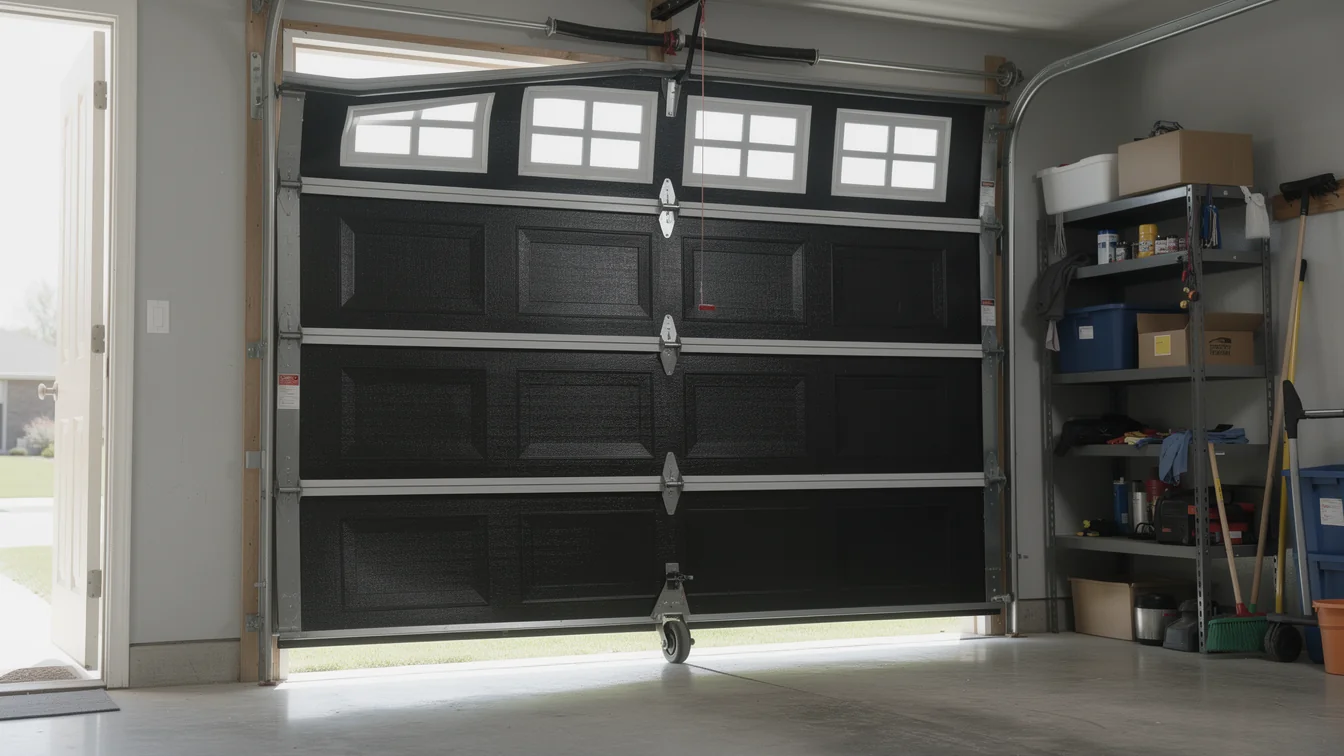 Why Your Garage Door Jumps the Track
East Point homes built mostly in the 1960s and 70s have track hardware that ages a specific way.
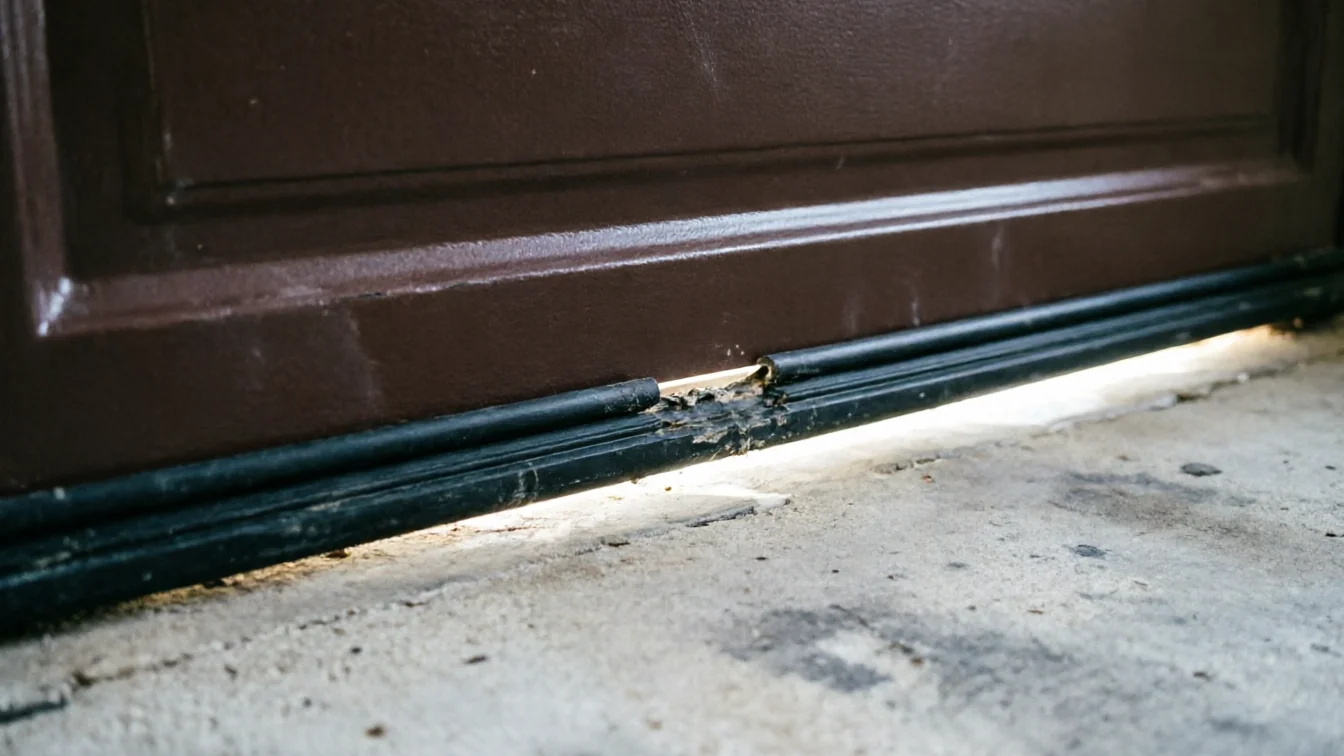 Checking Your Weather Seals and Draughts in East Point
How to check weather seals and draughts on an East Point garage door, built for the 1960s-70s housing stock and cold-moderate winters common here.
Ready when you are
Need a garage door sorted in East Point?
East Point Garage Door Pros repairs and installs garage doors, springs and openers in East Point, GA and the surrounding area.